


| Issue |
Natl Sci Open
Volume 4, Number 6, 2025
Special Topic: Artificial Intelligence and Energy Revolution
|
|
|---|---|---|
| Article Number | 20250054 | |
| Number of page(s) | 32 | |
| Section | Engineering | |
| DOI | https://doi.org/10.1360/nso/20250054 | |
| Published online | 05 November 2025 | |
REVIEW
Revolutionizing batteries based on digital twin through AI-simulation synergy for design, manufacturing, operation, and recycling
1
Sunwoda Mobility Energy Technology Co., Ltd., Shenzhen 518107, China
2
Battery Division, Chery Automobile Co., Ltd., Wuhu 241000, China
3
Department of Mechanical Engineering, University of Delaware, Newark, DE 19716, USA
4
Semitronix Corporation, Hangzhou 311121, China
5
Department of Chemistry and Materials, State University of New York at Binghamton, Binghamton, NY 13902-6000, USA
6
Advanced Power, Belmont, NC 28012, USA
* Corresponding authors (emails: This email address is being protected from spambots. You need JavaScript enabled to view it.
(Xiaoya Wang); This email address is being protected from spambots. You need JavaScript enabled to view it.
(Jun Xu); This email address is being protected from spambots. You need JavaScript enabled to view it.
(Yongjun Zheng); This email address is being protected from spambots. You need JavaScript enabled to view it.
(M. Stanley Whittingham); This email address is being protected from spambots. You need JavaScript enabled to view it.
(Yangxing Li))
Received:
16
September
2025
Revised:
29
October
2025
Accepted:
5
November
2025
Abstract
Optimizing lithium-ion batteries (LIBs) is pivotal for advancing sustainable energy solutions, particularly for portable electronics, electric vehicles and renewable energy storage systems. This review explores state-of-the-art strategies that integrate advanced digital simulations with comprehensive lifecycle management, assisted by artificial intelligence (AI), to overcome critical challenges in battery performance, safety, and durability. Our approach combines computational materials science with multi-scale modeling, bridging atomic-scale phenomena to system-level dynamics. This synergy provides new insights into materials behavior and electrochemical processes. Physics-based simulation techniques and AI-driven optimization technologies underpin these methods, enabling them to achieve accurate predictions and drive the design of next-generation batteries. Furthermore, the integration of cloud-based battery management systems (BMS) with edge computing facilitates real-time monitoring, predictive diagnostics, and proactive control, while the adoption of the “Battery Passport” concept enhances lifecycle traceability, promoting recycling and reuse. Collectively, these strategies establish a robust framework centered on standardization, modularization, and digitization, driving innovation across design, manufacturing, maintenance and recycling processes. This industry-academia-research collaborative battery large model has not only accelerated the industrialization of next-generation battery technologies but also provided strong support for the sustainable development of the sector. This review underscores the transformative potential of these integrated approaches, laying the groundwork for future breakthroughs in energy technologies and advancing global sustainability goals.
Key words: artificial intelligence / digital twin / battery large model / multi-scale simulation / battery design, manufacturing, operation and recycling
Contributed equally to this work.
© The Author(s) 2025. Published by Science Press and EDP Sciences.
 This is an Open Access article distributed under the terms of the Creative Commons Attribution License (https://creativecommons.org/licenses/by/4.0), which permits unrestricted use, distribution, and reproduction in any medium, provided the original work is properly cited.
INTRODUCTION
Lithium-ion batteries (LIBs) have become vital in energy storage, powering portable electronics, electric vehicles (EVs), and large-scale energy systems. As the world increasingly prioritizes environmental protection and sustainable development, renewable energy has emerged as a key force in the energy transition. The pioneering work of John B. Goodenough, M. Stanley Whittingham, and Akira Yoshino revolutionized energy storage and shaped modern society [1−17].
Thanks to supportive policies and rapid technological progress, global EV sales have surged—from a few thousand units in 2010 to 2.1 million in 2019. In 2024, China’s EV sales reached 12.88 million units, contributing to a global total of 18.24 million—a 24.4% increase year-over-year (data referenced from the research institution EV Tank). By 2040, global EV sales are projected to hit 54 million units annually, accounting for 58% of new car sales. Automakers plan to invest over $300 billion in the next five years toward batteries and EV development. This rapid growth in the new energy industry is driving demand for power batteries, expected to exceed 4 TWh by 2030, with energy storage batteries surpassing 1 TWh. Increasing adoption of renewables like solar and wind further highlights the urgent need for advanced energy storage [18−21]. Energy storage systems (ESS) are becoming a critical enabler for large-scale energy storage, powering AI data centers, and driving the ongoing global energy transition. Emerging sectors in the low-altitude economy also present new opportunities and challenges for LIB technologies [22,23].
Despite their impact, LIBs face critical challenges [24−32]. Safety risks such as thermal runaway, overheating, and fire hazards persist—especially under extreme conditions or due to manufacturing defects. Performance degradation over time further limits battery longevity and reliability. Traditional trial-and-error approaches for performance improvement are inefficient and resource-intensive. Environmental and economic concerns also arise from raw material extraction, notably lithium, cobalt, and nickel, which cause significant ecological damage. At the end of life, LIBs recycling, resource recovery, and disposal remain challenging. To tackle these issues, Scheme 1 presents an AI-driven battery large model as a unified intelligence hub spanning the battery value chain. It integrates materials, electrochemical systems, battery design, manufacturing and quality control, and operational data (including lifecycle), combining multi-physics and multi-scale simulations with materials genome engineering to accelerate material discovery and predict properties efficiently. Electrochemical system engineering and digital twin manufacturing link virtual design with real-world production, while an end-edge-cloud collaborative battery management system (BMS) delivers real-time feedback and adaptive optimization across hierarchical levels. Lifecycle management closes the loop from laboratory innovation to field deployment, enabling continuous learning from operational data and fostering a sustainable and intelligent battery ecosystem.
 |
Scheme 1 AI-driven battery large model for battery industry-academia-research collaboration. The framework positions an AI-driven large model as a unified intelligence hub, connecting materials, electrochemical systems, battery design, manufacturing/quality control, and operation across the battery value chain. By integrating multi-physics and multi-scale simulations with materials genome engineering, it accelerates materials discovery and enables efficient property prediction. Electrochemical system engineering and digital twin manufacturing link virtual design with real-world production. An end-edge-cloud collaborative BMS provides real-time feedback and adaptive optimization, allowing battery working for the people and continuous learning from operational data. Lifecycle management closes the loop between laboratory innovation and field deployment, fostering an intelligent and sustainable battery ecosystem. |
Artificial intelligence (AI) is accelerating LIBs development [33−39], particularly in material discovery [40−42], design optimization [43], and performance prediction [44−49]. Machine learning and deep learning models analyze vast datasets to uncover complex relationships between material properties, design parameters, and electrochemical performance. This reduces reliance on time-consuming experimentation and expedites identification of high-performance materials and efficient designs. AI-driven simulations improve prediction accuracy for battery behavior under charge/discharge cycles, temperature variations, and aging. These advances enable optimization of electrodes, electrolytes, separators, and structures—yielding batteries with higher energy density, longer cycle life, and enhanced safety. Furthermore, AI enhances real-time monitoring and predictive maintenance through integrated BMS, ensuring reliability from EVs to grid-scale storage.
Significant progress has been made in digitizing new energy battery research and development through strong collaboration between academia and industry. Universities drive innovation with fundamental research, while enterprises invest heavily in integrating digital intelligence into battery development, production, management, and recycling. This synergy accelerates the industrialization of advanced battery technologies and supports sustainable societal growth.
To address these multifaceted challenges and unlock LIBs potential, this review proposes an integrated framework combining digital modeling, intelligent management, and life-cycle optimization. At its core is an advanced digital tool—the “Battery Passport”—which consolidates comprehensive battery data throughout its life cycle, from manufacturing and usage history to health monitoring. By deeply integrating real-time data with multi-physics simulation models, the Battery Passport enables a closed-loop system for performance degradation prediction, maintenance optimization, and lifespan extension. This approach systematically tackles long-standing issues in material development and safety management.
However, implementing the Battery Passport faces three major challenges. First, data standardization: heterogeneous data formats—such as manufacturing data in Excel, BMS data in JSON, and recycling data in CSV—impede cross-platform interoperability. Recent advances in AI-driven battery management have leveraged deep generative transfer learning to address data scarcity and heterogeneity in second-life LIBs [50]. Such frameworks not only facilitate reliable second-life battery deployment but also provide a foundation for standardized data reporting, secure cross-stakeholder information sharing, and integration with Battery Passport initiatives, supporting both operational decision-making and lifecycle management. Second, data privacy: the exchange of sensitive information, such as proprietary electrode formulations and vehicle operation data raises security concerns. Federated learning provides a promising route for privacy-preserving collaboration across the battery value chain. A recent study developed a federated machine-learning framework enabling the sorting of retired LIBs for direct recycling without sharing raw data, achieving 99% and 97% accuracy under homogeneous and heterogeneous conditions, respectively, through an innovative Wasserstein-distance voting strategy. This approach demonstrates how privacy-preserving AI can enhance recycling efficiency and sustainability, establishing a scalable paradigm for secure data collaboration in the circular battery economy [51]. Third, cross-stakeholder adoption: manufacturers, automakers, and recyclers often operate under misaligned incentives; for instance, manufacturers may be reluctant to disclose defect data. Policy instruments such as the EU Battery Regulation, combined with economic incentives, like enhanced recycling subsidies for Passport-compliant batteries, are likely to be decisive in accelerating widespread adoption.
Moreover, the framework fosters a paradigm shift in battery life cycle management through standardized data interfaces, modular system architectures, and intelligent algorithms. Collaborative deployment of cloud-based BMSs, edge computing, and AI-driven optimization engines creates an operation and maintenance platform with real-time responsiveness and autonomous decision-making capabilities. This platform enhances energy efficiency, cycle stability, and service life by enabling precise health assessments. Crucially, this technological advancement aligns with global goals to meet growing energy demand, protect the environment, and promote economic sustainability. By improving resource utilization efficiency and delivering substantial environmental and economic benefits, it provides strong impetus for sustainable development in the energy sector.
The remainder of this review is organized as follows. The Section “Digital simulation empowers the full-lifecycle optimization of smart batteries” presents multi-scale modeling approaches spanning atomic to pack levels and their coupling with intelligent BMSs. The Section “Innovations in battery management and maintenance practices” highlights innovations in the Battery Passport initiative and AI-enabled optimization of disassembly and material recovery. The Section “Perspective: driving the future of the battery industry through digital twin integration and AI innovation” explores the convergence of standardization, digitization, and AI, with an emphasis on strategies to enhance model generalization. The Section “AI driving comprehensive upgrades and transformative development of LIBs” explores the transformative role of AI in reshaping lithium-ion battery research and development. Finally, the Section “Future and outlook” discusses persisting challenges, prospective solutions, and the extension of the framework toward beyond-lithium chemistries.
DIGITAL SIMULATION EMPOWERS THE FULL-LIFECYCLE OPTIMIZATION OF SMART BATTERIES
As LIBs become increasingly central to energy storage and EVs applications, advanced digital simulation technologies have emerged as transformative tools for optimizing their design, manufacturing, and lifecycle management. LIBs simulation models encompass a wide range of types, including density functional theory (DFT), molecular dynamics (MD), pseudo-two-dimensional (P2D) model, equivalent circuit model (ECM), computational fluid dynamics (CFD), phase-field model, thermal-electrochemical coupling model, stress-electrochemical coupling model, mechanical model, and fatigue life analysis model, as summarized in Table 1. These models enable comprehensive analysis across scales, from atomic-level material properties to system-level performance and safety optimization. These simulations, which span from material development to end-of-life (EOL) recycling, enable significant advancements in performance, safety, and cost efficiency. By addressing challenges across the entire battery value chain, they drive innovation and sustainability in both established and emerging applications (Figure 1).
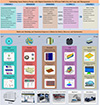 |
Figure 1 This figure illustrates the role of digital simulations in optimizing smart battery design for efficient full-lifecycle utilization and management. The upper section maps the progression from materials, electrodes/cells, and modules/battery packs to BMS and recycling, alongside their corresponding simulation methods and real-world applications. The lower section emphasizes how multi-scale modeling and simulations drive LIBs research and optimization, spanning scales from the atomic level (10−10 m) to the battery pack level (100 m), with key research areas at each scale. The bottom portion highlights the diverse applications of LIBs in energy storage systems, consumer electronics, and low-emission vehicles, underscoring their pivotal role in the global energy transition. |
Summary of lithium battery simulation methods, including computational material science, electrochemical simulation, thermal simulation and mechanical simulation
Multi-scale modeling for comprehensive optimization
Digital simulations utilize multi-scale, multi-physics modeling and AI-driven optimization to provide precise insights into the complex processes that govern LIBs performance. By bridging the gap between microscopic material behavior and macroscopic system performance, these tools create a seamless framework for designing and improving battery components. This hierarchical methodology encompasses atomic, molecular, particle, electrode, electrolyte, cell, module, and pack levels, ensuring a comprehensive understanding of the physical, chemical, and mechanical interactions within batteries.
At the atomic and molecular levels, advanced computational tools such as first principles calculations, MD, and quantum chemistry offer insights into the fundamental properties of battery materials. These techniques enable accurate predictions of thermodynamics, electronic structures, and mechanical behaviors, accelerating the discovery and design of materials with enhanced ionic conductivity, reduced charge transfer resistance, and improved interfacial stability [52−60]. Simulations of nickel-rich NMC cathodes have predicted voltage profiles while addressing oxygen evolution, thereby improving both performance and safety [61,62]. Similarly, MD simulations have elucidated the volumetric expansion mechanisms in silicon anodes during lithiation, guiding the development of nanoscale architectures and binder systems that enhance mechanical stability and extend cycle life [63,64]. Solid-state battery development also benefits from DFT studies of lithium superionic conductors such as garnet-type LLZO (Li7La3Zr2O12), which exhibit high ionic conductivity and electrochemical stability [65−67]. Together, these methods facilitate the rapid identification of candidate materials, streamlining the development of next-generation electrodes, conductive agents, electrolytes, binders and separators, and reducing reliance on experimental trial-and-error processes.
Particle-level modeling focuses on optimizing material morphology and surface characteristics. These simulations stabilize the solid electrolyte interphase (SEI) and cathode electrolyte interphase (CEI), mitigating undesirable growth and electrode corrosion. Controlling particle size distribution and material formulations enhances electrode packing density, a critical factor for achieving higher energy density, extended cycle life, and improved safety.
Electrochemical modeling is vital for understanding charge transfer mechanisms, ion diffusion, and interface stability within LIBs. These models simulate the electrochemical processes that govern battery charging and discharging, providing a predictive framework for optimizing battery performance and longevity.
By applying the Butler-Volmer equation and diffusion models, researchers can analyze charge transfer kinetics, exploring the relationship between overpotentials, current densities, and charge transfer rates to optimize electrode materials for faster charge/discharge cycles and improved efficiency. Additionally, modeling the formation and evolution of SEI layers at the electrode-electrolyte interface is essential for designing stable electrodes and electrolytes, reducing side reactions, and enhancing cycle life and performance. Electrochemical impedance spectroscopy (EIS) is also integrated into electrochemical models to assess internal resistance, ion diffusion, and electrochemical behavior under various operational conditions, providing insights into optimizing battery efficiency and reliability. These simulations bridge the gap between fundamental material properties and practical battery performance, enabling accurate predictions of capacity, cycle stability, and charge/discharge rates.
Physics-based modeling at the electrode and cell levels addresses critical challenges related to electrochemical performance, structural integrity, and safety [68−78]. Multi-scale modeling techniques such as phase-field modeling, Monte Carlo simulations, and finite element analysis (FEA), guide the design of gradient electrode structures with tailored porosity and stress distribution. These designs enhance ionic and electronic conductivity while mitigating stress accumulation during cycling, resulting in improved energy density and mechanical robustness.
At the cell level, advanced simulations predict key behaviors such as thermal runaway dynamics, lithium plating, and swelling forces. These models provide actionable insights for optimizing thermal management strategies and structural resilience. Modeling lithium-ion distribution within cells identifies plating-prone areas and guides the development of charging protocols and electrode surface modifications to mitigate dendrite formation, enhancing both safety and cycle life. Additionally, thermodynamic and mechanical models inform the design of electrodes and separators that accommodate volumetric changes, ensuring long-term durability under extreme cycling conditions.
As LIB systems scale up to modules and packs, multi-physics simulations play a pivotal role in addressing thermal, mechanical, and electrochemical challenges. Effective thermal management is essential for safe and reliable operation, and simulations support the design of cooling systems such as liquid cooling pathways and phase-change materials to ensure uniform temperature distribution. Predictive modeling also identifies pathways for thermal runaway propagation, enabling the incorporation of thermal barriers and advanced insulation layers that contain thermal events and improve system safety [79−83]. Beyond thermal management, mechanical durability is a crucial determinant of module-level reliability, influencing both safety and longevity in LIB systems. High-fidelity multi-physics simulations enable a comprehensive assessment of vibration, impact, and compressive forces, guiding the development of lightweight yet structurally robust pack architectures [84−88]. For EV applications, these models facilitate design optimization to withstand road-induced vibrations, accidental impacts, and crash scenarios, ensuring mechanical integrity under real-world operating conditions. By integrating predictive insights from multi-physics simulations, pack architectures can be systematically engineered to enhance structural resilience, failure resistance, and energy efficiency, thereby ensuring long-term operational reliability across diverse environments.
Intelligent BMS with digital simulation
As depicted in Figure 2, the intelligent BMS has achieved full lifecycle intelligent management of LIBs by integrating digital simulation and AI technologies, becoming a core pillar for the efficient operation of EVs and energy storage systems [89−94]. Its core architecture combines multi-physics modeling, distributed edge computing, and cloud collaboration into a three-tier technical system: the terminal layer deploys a high-density multi-physics sensor network to collect multi-dimensional data such as voltage, temperature, and stress in real time, constructing a comprehensive operational profile of the battery; the edge computing layer, based on physics-informed neural networks (PINNs) and model predictive control (MPC), enables millisecond-level accurate estimation of state of charge (SOC) and state of health (SOH), as well as adaptive charging and discharging strategy optimization [95,96]. Simultaneously, it dynamically tracks lithium-ion transport, electrode expansion stress, and thermal runaway propagation paths through electrochemical-thermal coupling models, combined with deep learning-based degradation pattern recognition capabilities, to predict capacity fade, lithium plating risks, and internal short-circuit faults in real time, ensuring battery safety [97−99].
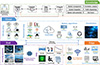 |
Figure 2 This figure illustrates a cloud BMS framework, which consists of four subsystems: the end layer (real-time battery data acquisition via sensors and embedded controllers), the edge layer (localized processing and anomaly detection using lightweight AI models), the cloud layer (centralized data storage, digital twins, and predictive analytics), and the knowledge layer (AI-driven optimization and adaptive decision-making). Data flows bidirectionally across layers, enabling scalable, real-time, and intelligent battery lifecycle management. |
In the cloud, digital twin technology constructs high-fidelity electrochemical-thermal-mechanical coupling models, synchronously analyzing multi-physics behaviors within the battery. Integrated with big data analytics and AI algorithms, it forms an intelligent knowledge graph encompassing voltage characteristics, thermal distribution, and mechanical deformation [100−104]. Cloud computing platforms provide elastic computing power, leveraging federated learning to continuously optimize multi-scale models, achieving closed-loop optimization from material design to system integration [105−107]. Through thermal field reconstruction and stress tracking, BMS dynamically balances energy efficiency and thermal stability, optimizing cooling strategies and preventing hotspot formation. Predictive maintenance algorithms enable early identification of battery degradation trends, facilitating proactive maintenance planning, significantly extending battery lifespan, and reducing operational costs.
The autonomous decision-making system based on the MAPE-K (monitor-analyze-plan-execute-knowledge) framework further enhances the intelligence level of BMS [108−111]. This system processes real-time data streams and employs online AI to dynamically construct feature spaces, autonomously optimizing resource allocation and task scheduling. Additionally, a central knowledge repository integrates historical operational data, fault signatures, and predictive models, supporting cross-system intelligent sharing and collaborative optimization, driving the battery ecosystem toward higher safety and adaptability.
Looking ahead, with the deep integration of 5G communication, edge computing, and AI technologies, BMS will further evolve toward intelligent and networked development. By building a collaborative computing architecture spanning terminals, edge, and cloud, BMS will achieve a leap from single-cell to battery-pack optimization and from local to global coordination, providing more efficient and safer energy management solutions for EVs, smart grids, and industrial energy storage systems. This will propel energy storage technology toward higher performance, longer lifespan, and lower costs in the future.
INNOVATIONS IN BATTERY MANAGEMENT AND MAINTENANCE PRACTICES
Battery passport: a digital framework for lifecycle management
The rapid evolution of LIB technologies has accelerated advancements in battery management and maintenance practices. The battery passport provides comprehensive traceability for LIBs throughout their lifecycle [112−118]. By consolidating manufacturing and operation data, it enhances operational efficiency, ensures safety compliance, and promotes sustainable recycling and reuse.
The passport records key manufacturing details such as material composition, electrode formulations, and assembly processes, alongside operational data like performance metrics, charging cycles, and temperature profiles. These data enable real-time monitoring, identifying potential risks and supporting maintenance decisions. Advanced encryption methods protect sensitive data, ensuring integrity and confidentiality.
Through continuous tracking of usage data, the battery passport enables precise assessment of remaining capacity, degradation patterns, and energy efficiency. These data also support EOL management and recycling, contributing to a circular economy in battery manufacturing. The implementation of the battery passport requires integrating real-time data acquisition with AI algorithms to predict degradation, thermal risks, and safety thresholds.
The integration of simulation technology and the battery digital passport (DP) creates a comprehensive decision-making system for battery lifecycle management. During the design phase, multi-scale modeling and simulations enable precise decoupling of material-structure-performance relationships. Multiphysics-coupled FEA, integrated with phase-field theory, simulates lattice strain and stress during lithiation/delithiation. High-fidelity CFD models, combined with electrochemical-thermal algorithms, predict thermal distribution under high-rate charge/discharge conditions. Simulation data are integrated into the battery DP, forming a dynamic digital twin that tracks mechanical integrity, thermal safety, and other key performance metrics.
In the operational phase, a monitoring system based on the DP and real-time simulation forms a feedback loop. By integrating multi-source data (voltage, temperature, SOC, etc.) from the BMS and using Kalman filtering, a digital twin model of battery SOH is constructed. This enables early warnings for potential hazards such as lithium plating or thermal runaway. The system also dynamically optimizes charging parameters (e.g., current/voltage switching point) through real-time simulations, improving lithium-ion diffusion and deposition kinetics. This suppresses dendrite growth and enhances battery life by 18%–25%, while reducing thermal runaway risks to 10−6.
Sustainable EOL management: optimizing LIBs recycling
EOL management is critical for LIB technology, driven by the urgent need for resource efficiency and environmental sustainability [119−124]. Advanced digital simulations are transforming the recycling value chain, from automated disassembly and selective material recovery to secondary applications, closed-loop system optimization, and second-life utilization, accelerating the transition to a circular battery ecosystem [125−128].
In the disassembly phase, physics-based simulations inform the design of robotic systems for efficient material separation, minimizing component damage [126,127]. Digital twin technology enables the virtual prototyping of disassembly sequences, balancing throughput, cost, and material recovery rates.
Material recovery is optimized through multiscale simulations that bridge atomic-scale reaction dynamics with macroscopic process engineering. Hydrometallurgical and pyrometallurgical models refine solvent selection and metal extraction processes, while electrochemical degradation simulations guide targeted material regeneration strategies. These high-fidelity models enable performance-tiered material reuse, facilitating the reintroduction of refurbished components into applications ranging from EV batteries to stationary energy storage systems [112,127]. Second-life applications for degraded batteries are crucial for reducing environmental impact. Refurbished batteries can be utilized in low-power demand applications such as home energy storage, commercial storage, and grid stabilization, which extend the battery’s lifespan and reduce resource wastage.
Integrated life-cycle simulation platforms dynamically balance environmental impact, economic feasibility, and process efficiency, optimizing recycling pathways and energy consumption. Emerging computational paradigms, including AI-driven process optimization and MD-based electrolyte recovery modeling, are unlocking new opportunities in second-life battery applications, fostering adaptive, self-optimizing recycling systems. Accurate modeling of battery degradation enables the prediction of residual battery life at different stages of their lifecycle, facilitating optimal second-life utilization strategies.
By integrating advanced simulation frameworks, sustainable EOL management can be systematically enhanced, supporting the LIBs industry’s shift toward a fully circular economy while ensuring long-term resource security, environmental compliance, and the growth of a second-life battery market. Second-life utilization not only promotes efficient battery reuse but also provides a new economic growth avenue for the battery industry, contributing to the long-term sustainable development of green energy.
PERSPECTIVE: DRIVING THE FUTURE OF THE BATTERY INDUSTRY THROUGH DIGITAL TWIN INTEGRATION AND AI INNOVATION
The battery industry is undergoing a significant transformation, driven by the convergence of standardization, digitization, modularization, intelligence, networking, and visualization. These principles are revolutionizing the design, manufacturing, and operational phases of battery systems, facilitating improvements in efficiency, sustainability, and innovation across the entire lifecycle. This paradigm shift is crucial for advancing global electrification and renewable energy solutions, as illustrated in Figure 3. It lays the groundwork for the integration of intelligent, data-driven approaches, underpinned by digital twin technologies and large-scale AI models.
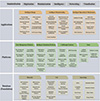 |
Figure 3 This figure illustrates the system architecture for intelligent lithium battery design, manufacturing, and lifecycle management, structured across three layers: database, platform, and application. It emphasizes six core dimensions—standardization, digitization, modularization, intellectualization, networking, and visualization—which drive innovation and efficiency across the battery ecosystem. The database layer integrates materials and cell-related databases with knowledge modules such as simulation databases and failure modes and effects analysis (FMEA), enabling data-driven insights. The platform layer provides essential tools for data management, intelligent simulation, and cell design, supporting model-driven optimization. The application layer encompasses intelligent design, advanced manufacturing, predictive maintenance, and operational optimization, ensuring seamless integration from development to end-of-life strategies. |
Standardization serves as the foundational pillar of this transformation by ensuring consistency and reliability across the production process. By establishing standardized protocols for material selection, cell architecture, and manufacturing techniques, the industry reduces variability, enhances quality control, and enables scalable production. Additionally, standardized testing protocols ensure safety, performance, and compliance with regulations, which strengthens consumer trust. This standardization also facilitates the seamless integration of digital twin models, enabling real-time monitoring and simulation throughout the manufacturing process, ensuring data consistency and enhancing decision-making.
Digitization is revolutionizingthe industry by incorporating digital technologies such as the internet of things (IoT), big data analysis, and cloud computing into the battery lifecycle. Notably, digital twin technology creates virtual replicas of battery systems that simulate diverse operational conditions. This enables designers to optimize parameters and refine system designs prior to constructing physical prototypes, thereby reducing development time and costs while minimizing inefficiencies. In addition, real-time performance monitoring, powered by embedded sensors and advanced algorithms, allows for predictive maintenance, optimizing battery lifespan and operational efficiency through proactive, data-driven strategies.
Intellectualization has brought profound innovations to battery technology. The application of AI algorithms enables precise optimization of battery design and performance by analyzing large datasets, including adjustments to material formulations and performance predictions under various conditions. AI models can identify degradation patterns and potential failure mechanisms, providing strategies to extend battery life. In the manufacturing process, intellectualized quality control systems can detect defects in real time, improving production efficiency and reducing waste. These systems are further enhanced through large pre-trained models, enabling efficient decision-making and playing a key role within the digital twin framework.
Modularization is facilitating the scalability and adaptability of battery systems. By segmenting battery systems into standardized modules, manufacturers can customize and scale solutions rapidly without disrupting the entire system. This modular approach significantly reduces downtime, lowers maintenance costs, and supports fast-paced technological advancements. Moreover, IoT-enabled batteries are creating interconnected systems that provide continuous performance data, enabling real-time health monitoring. For example, in EV fleets, this data-driven approach optimizes charging schedules, reduces operational costs, and extends the lifespan of battery systems through predictive maintenance.
This integrated framework is bolstered by AI-powered technology platforms and comprehensive databases. Materials databases aggregate data from simulations, mechanical property evaluations, and material research, offering a solid foundation for innovation in material science. Cell databases catalog design specifications and performance data to aid in optimizing existing technologies and developing new ones. Knowledge repositories compile research findings to support ongoing improvements. Technology platforms, including advanced simulation and design optimization tools, facilitate the seamless implementation of AI-driven solutions across the battery lifecycle, ensuring efficiency and consistency from design to EOL management.
In contrast to previous reviews that have examined AI-enabled BMS or digital-twin technologies in isolation [45,118,129–131], this Perspective presents a unified, closed-loop framework that integrates these paradigms across the entire battery value chain—from atomic-scale materials discovery and intelligent manufacturing to operation and EOL recycling. Rather than classifying AI applications by function (for example, prediction, control, or diagnostics), our approach highlights the synergistic coupling of data-driven and physics-based modeling within a multi-scale digital-twin architecture. Specifically, we propose a feedback-driven system that links PINNs, generative design models, and reinforcement learning (RL) with real-time sensor data and multi-physics simulations, enabling adaptive learning, continuous model updating, and cross-domain knowledge transfer throughout the full battery lifecycle.
Distinct from earlier efforts that focused primarily on data-driven performance prediction (such as SOC/SOH estimation [45]) or standalone digital-twin implementations in manufacturing [129], our framework establishes a closed-loop optimization system that unifies materials science, manufacturing intelligence, and system-level operation within a single data-centric architecture. A central feature of this framework is the Battery Passport, conceived as a unifying digital thread that connects fragmented lifecycle data—including manufacturing parameters, operational metrics, and recycling information—to enable transparent data exchange, traceability, and sustainability assessment across stakeholders. By explicitly combining physics-based simulations (for example, DFT and phase-field modeling) with advanced AI methodologies (such as PINNs and transfer learning), the framework addresses the limited generalizability of purely data-driven models and enhances interpretability and physical consistency. Beyond operational management, this Perspective further broadens the scope to encompass materials design, intelligent manufacturing, and lifecycle sustainability—dimensions that remain underexplored in existing literature. Collectively, the proposed AI-digital twin-multiscale framework provides both conceptual and methodological advances, establishing a cognitive, self-evolving digital ecosystem for the next generation of intelligent battery systems.
By leveraging AI-driven pre-trained models, multi-modal analytics, and intelligent applications, the battery industry is entering a new era of intelligent, high-efficiency, and sustainable development. These large models are essential to the entire digital twin ecosystem, enabling optimized simulations, system-wide analyses, and predictive capabilities. From materials discovery to intelligent manufacturing and lifecycle management, AI is redefining industry standards, fostering innovation, and driving the long-term success of battery technologies. This digital and intelligent approach is crucial to maintaining competitive advantages in the rapidly evolving global market while supporting the transition to electrification and renewable energy solutions. Overall, this Perspective articulates a forward-looking roadmap in which AI and digital-twin technologies converge within a closed-loop, self-evolving system—driving continuous enhancements in performance, reliability, and sustainability of next-generation battery technologies.
AI DRIVING COMPREHENSIVE UPGRADES AND TRANSFORMATIVE DEVELOPMENT OF LIBS
The integration of AI across industries has sparked unprecedented innovation, and nowhere is this more evident than in the development of LIBs. AI is fundamentally transforming LIBs technology by accelerating advancements in material discovery [132−135], design optimization [133,134,136], and performance prediction [137,136,138−140], thereby enhancing efficiency and reducing development timelines.
AI-driven approaches profoundly impact multiple stages of LIBs development. Cutting-edge algorithms, as summarized in Table 2, including convolutional neural networks (CNNs), recurrent neural networks (RNNs), and long short-term memory (LSTM) networks, are extensively applied to LIBs research. Table 3 further provides detailed insights into the specific applications, descriptions, advantages, and limitations of these advanced AI techniques. CNNs excel at analyzing microstructural images, enabling the detection of defects and anomalies that may otherwise go unnoticed. RNNs and LSTMs, with their ability to process time-series data, capture degradation trends and performance fluctuations over multiple charge-discharge cycles. RL and deep Q-networks (DQNs) optimize battery management by adjusting operational parameters to maximize efficiency and prolong lifespan. Additionally, support vector machines (SVMs) and transformer-based models enhance predictive modeling, enabling more accurate estimations of battery state under a variety of operating conditions.
State-of-the-art AI algorithms applied in lithium ion batteries
The specific allication, descriptions, advantages, and limitations of AI algorithms in the research and development of lithium ion batteries
A particularly promising AI approach gaining traction in LIBs research is PINNs [141]. PINNs combine the strengths of AI with fundamental physical laws, such as the conservation of mass, momentum, and energy. By directly incorporating these governing equations into the AI training process, PINNs improve the accuracy and generalization of predictions, particularly in systems governed by complex physics like the electrochemical processes in LIBs. This integration ensures that AI models respect core physical principles, which is invaluable for optimizing battery performance and reducing reliance on experimental data alone.
In material discovery, AI methods such as graph neural networks (GNNs) and transformer architectures are revolutionizing the identification of new materials. These deep learning models predict key material properties, such as ionic conductivity, lithium-ion diffusion barriers, and interfacial stability, with near DFT accuracy, but at substantially reduced computational costs. Combined with Bayesian optimization and active learning strategies, AI has accelerated the screening of high-potential materials, such as novel electrolyte additives with enhanced thermal stability and ionic conductivity. This integration of AI with first-principles calculations and high-throughput screening technologies is transforming material discovery, enabling a shift toward autonomous research workflows and significantly shortening innovation cycles.
AI is also reshaping battery design optimization. Through RL and multi-objective optimization algorithms, AI enables the rapid exploration of complex design parameters, balancing key factors such as energy density, safety, lifespan, and cost. PINNs bridge machine learning with electrochemical principles to simulate battery behavior under varying configurations, yielding faster and more accurate insights into design performance. Generative models, including generative adversarial networks (GANs) and variational autoencoders (VAEs), generate optimized electrode architectures and composite material structures, delivering superior electrochemical properties. These AI-driven strategies reduce reliance on trial-and-error experimentation, accelerating prototyping and refining battery design processes.
Predicting battery performance and degradation across a range of operating conditions is another area where AI excels. Hybrid models that integrate CNNs with physics-based degradation models offer enhanced defect detection and enable real-time reliability assessments throughout the manufacturing and operational phases. RNNs and LSTMs process extensive time-series data to provide accurate predictions of cycle life, capacity retention, and failure modes. Additionally, transfer learning techniques leverage data from established chemistries to expedite the commercialization of emerging battery formulations, reducing the need for extensive new datasets. AI-driven digital twin frameworks further enhance real-world applicability by continuously refining predictive models through real-time feedback from embedded sensors, optimizing BMS, and enabling proactive interventions to extend battery lifespan.
Recent studies illustrate the transformative power of AI in practical battery research [142−147]. For instance, combining AI with AIMD simulations has enabled in-depth exploration of interfacial reactions, providing molecular-level insights that guide electrode-electrolyte design [142]. Generative AI-driven molecular design has facilitated the efficient discovery of novel electrolytes with enhanced oxidative stability, reducing experimental screening efforts by over 60% [144]. Hybrid models integrating deep learning and DFT have accelerated materials discovery pipelines by more than 70%, demonstrating measurable efficiency gains and improved interpretability [145].
In addition, SES’s Xu Kang team has developed an AI-driven “molecular universe” platform for designing lithium-ion battery electrolytes and optimizing their formulations, achieving targeted performance improvements in conductivity and electrochemical stability. Similarly, the Materialyze. AI initiative led by Shyue Ping Ong is building an interdisciplinary framework that leverages theory, experiments, and AI to accelerate the discovery of breakthrough materials across next-generation batteries, aerospace alloys, and semiconductors, highlighting the flexibility and scalability of AI-enabled materials innovation.
These examples collectively underscore how AI-simulation integration provides quantifiable performance gains, reduces trial-and-error in experimentation, and enhances interpretability across multiple stages of battery R&D.
To enhance robustness and generalization of AI models across chemistries and operating conditions, recent work has emphasized a three-pronged strategy—transfer learning, physics-informed approaches, and task/domain adaptation (including few-shot/multi-task learning and survival-analysis frameworks)—and these strategies are naturally integrated into digital-twin architectures to improve resilience under varying temperature, current and cycling regimes. Transfer learning allows models pretrained on abundant data from one chemistry or operating regime to be efficiently adapted to another with minimal new data. Recent studies have further explored explainable transfer-learning frameworks for battery lifetime and SOH prediction, showing significant improvements in cross-domain performance and interpretability [148,149]. PINNs integrate electrochemical laws and degradation physics into the learning process, enabling stable modeling of battery degradation trajectories and reliable transfer across chemistries and operating conditions. Notably, recent frameworks have demonstrated robust SOH estimation and strong performance under limited data and cross-domain scenarios [150,151]. Complementary algorithmic strategies—few-shot and multi-task learning, domain adaptation, and survival-analysis hybrids—improve prediction across operating conditions (different temperatures and C-rates) and enable second-life/remaining-value assessments for retired cells; recent work on few-shot LSTMs adaptation and hybrid survival-analysis/machine-learning pipelines illustrates how these methods can predict capacity trajectories or time-to-failure with high fidelity even when target data are sparse [152].
Integrated into a digital-twin, these methods form a practical workflow: pretrained models (or physics-constrained priors) are embedded in the twin’s simulation/estimation modules, few-shot fine-tuning is performed at deployment with minimal new measurements, and survival- or RUL-oriented modules drive second-life decisioning and recycling prioritization. This combined strategy mitigates failure modes arising from domain shift, reduces required retraining effort, and improves interpretability and uncertainty quantification—key requirements for industrial adoption and regulatory acceptance.
Looking to the future, AI is poised to continue driving transformative changes in LIBs research. The development of specialized knowledge repositories, coupled with the integration of vast experimental datasets and industry insights, will provide AI algorithms with richer learning resources, further accelerating material discovery and design optimization. Expert systems will translate industry expertise into AI-understandable rules, enabling more scientifically informed decision-making in battery research. The emergence of autonomous material agents, which use AI to search and filter material databases, will further accelerate the discovery and optimization of new materials, ultimately driving the next wave of innovation in LIB technology.
FUTURE AND OUTLOOK
New industrial paradigm: AI-driven transformation of the LIBs industry
The integration of AI is fundamentally reshaping the LIBs industry, enabling data-driven decisions, automation, and lifecycle optimization. AI algorithms are increasingly applied from electrode formulation and material selection to electrochemical performance prediction. ML models identify degradation pathways and failure mechanisms, informing strategies for enhanced longevity. AI-powered quality control systems further improve manufacturing efficiency through real-time defect detection, minimizing waste and optimizing production yield. This AI-driven framework, as illustrated in Figure 4, revolutionizes lithium battery development, paving the way for data-driven innovation, autonomous optimization, and intelligent manufacturing.
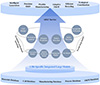 |
Figure 4 A new AI-driven paradigm for LIBs’ innovation. We propose an industry-level pretrained AI model tailored for lithium-ion batteries, battery large model, driving intelligent upgrades across research and development (R&D), manufacturing, and lifecycle management. Foundation layer: integrates material, cell, manufacturing, process and operation and maintenance (O&M) databases, constructing a comprehensive industry-specific knowledge graph. Intermediate layer: employs time-series models, hybrid AI-physics models, multimodal AI models (text, images, etc.) and reinforcement learning (RL) models to enhance cell design, lifespan prediction, and process optimization. Application layer: leverages AI-generated content (AIGC) to autonomously generate design solutions, predict battery performance, and detect defects, enabling full-lifecycle optimization. This AI-driven framework transforms lithium battery development, paving the way for data-driven innovation, autonomous optimization, and intelligent manufacturing. |
This transformation unfolds across three key dimensions. First, AI-driven knowledge graphs unify materials science, electrochemistry, manufacturing, and diagnostic data, improving predictive accuracy and process optimization. Second, multi-modal AI models integrate diverse data sources—text, images, videos, and sensor signals—into specialized frameworks for cell design, mechanistic simulations, lifespan forecasting, and fault diagnostics. Third, AI-generated content (AIGC) automates tasks such as design optimization, performance forecasting, defect analysis, and EOL resource management, contributing to full lifecycle efficiency.
These AI-driven innovations have catalyzed six key advancements: accelerated material discovery and optimized cell architectures for improved thermal management; high-fidelity multi-physics simulations and zero-shot lifespan predictions, reducing reliance on costly experiments; real-time process optimization via AI and edge computing, enhancing yield and adaptive manufacturing; digital twin models for predictive maintenance and battery health diagnostics, improving reliability; AI-powered recycling strategies, optimizing resource recovery and circular economy practices; cross-domain AI integration, fostering standardization, open-source development, and collaborative innovation.
New scientific paradigm: AI battery large models and multi-scale integration
The adoption of large AI models, such as DeepSeek and Grok3, is poised to enhance problem-solving efficiency in LIBs research. These models leverage advanced language understanding, knowledge integration, and logical reasoning to accelerate materials discovery and design optimization.
Future advancements will emerge from the fusion of multi-scale modeling, AI optimization, and PINNs, enabling seamless integration from atomic-scale interactions to macroscopic performance. By bridging fundamental material properties with system-level engineering, AI will provide deeper scientific insights and guide next-generation battery design.
Mainstream AI models for scientific and industrial applications and their potential applications in LIBs research are summarized in Table 4. AI diffusion models further enhance virtual material design, microstructure prediction, and data completion, significantly lowering experimental costs while accelerating innovation. Hybrid AI architectures—combining deep learning methods such as CNNs, RNNs, and GNNs—enable the fusion of microstructure imaging, experimental data, and simulation results, improving material simulations, process optimization, and lifecycle prediction. Transformer-based models, specialized in processing structured and textual data, facilitate automated literature analysis, patent mining, and time-series forecasting, optimizing experimental planning and battery health assessments.
Comparison of mainstream AI models for scientific and industrial applications and their potential applications in LIBs research
Notably, the proposed framework is not confined to LIBs but is inherently extensible to emerging energy storage systems through modular reconstruction and data-driven model transfer. By preserving the universal architecture while adapting to system-specific physicochemical features, the framework enables cross-chemistry generalization and lifecycle-level optimization.
For lithium-sulfur (Li-S) batteries, whose performance is limited by the polysulfide shuttle effect and sluggish sulfur reduction kinetics, rational catalyst design remains a long-standing challenge. Recent work [153] developed a machine-learning-assisted binary descriptor (BD), integrating a band match index and a lattice mismatch index, to capture both electronic coupling and structural lattice effects. This descriptor quantitatively deciphers how d-p and s-p orbital hybridizations, together with lattice strain, govern the catalytic kinetics of lithium polysulfide conversion. Guided by this framework, NiSe2 was identified as an optimal catalyst, delivering 402 Wh kg−1 energy density and stable operation under high sulfur loading and lean-electrolyte conditions. Beyond its empirical performance, the study establishes a transferable paradigm for rational catalyst design in multi-electron redox systems, demonstrating the synergy between data-driven modeling and physicochemical insights.
For lithium-metal batteries (LMBs) and solid-state batteries (SSBs), whose performance is limited by dendrite growth and interfacial impedance evolution, respectively. Physics-informed AI coupled with digital-twin-based modeling provides a promising route for predictive failure analysis. In LMBs, Piao et al. [154] developed a machine-learning-enabled pre-mortem framework that identifies failure pathways directly from the first two electrochemical cycles, representing less than 2% of the battery lifetime. Using a dataset spanning four years, 18,000 cycles, and 12 million data points, the model achieves classification accuracy up to 0.98, distinguishing kinetic, reversible, and co-degradation failures. The approach reveals that initial electrochemical curve “fingerprints” encode critical SEI and lithium microstructural features, which govern long-term kinetics and reversibility. Conceptually, this work transforms failure analysis from post-mortem diagnostics to pre-mortem prediction, offering a new paradigm for rapid reliability assessment and electrolyte design in next-generation LMBs. In SSBs, phase-field simulations of solid electrolyte-electrode interfaces can be embedded in the digital twin to predict ion transport pathways and optimize interfacial contact morphology [155,156].
Beyond lithium systems, the framework can be extended to sodium-ion (Na-ion) and multivalent (Mg2+, Ca2+) batteries by reconstructing the underlying ion-transport and reaction models to reflect their distinct electrochemical behaviors. For instance, substituting Li+ with Na+ in DFT simulations of diffusion in hard carbon anodes allows optimization of interlayer spacing [157], while for multivalent systems, multi-electron transfer and interface stability can be captured through enhanced reactive force fields and continuum models.
Furthermore, the architecture naturally expands toward other types of electrochemical devices, such as various fuel cells, and MOF-based electrochemical devices, bridging the frontier between neuromodulation and energy storage. The study also highlights a cross-scale regulatory mechanism inspired by “MOF neurons”, offering new insights into dynamic interfacial control. The “MOF neuron” concept [158] demonstrates the feasibility of integrating ionic transport with neuromorphic control, pointing to an emerging class of intelligent energy-sensing systems that transcend the conventional paradigm of passive energy supply.
Collectively, these extensions exemplify the framework’s universality and scalability, guided by three core principles: (1) model modularization, enabling structural flexibility across chemistries; (2) AI algorithm transferability, ensuring efficient adaptation with minimal retraining; and (3) digital-twin lifecycle coupling, maintaining coherence from materials discovery to recycling. Together, these capabilities establish a unified foundation for the intelligent design, operation, and evolution of beyond-lithium energy systems.
AI-driven sustainability and the future of LIBs
AI’s impact extends beyond performance optimization to sustainability and lifecycle management. Digital twin technology, in conjunction with cloud-based BMS and edge computing, is set to revolutionize real-time monitoring, predictive maintenance, and lifecycle optimization. By integrating lab research with industrial data, digital twins will enhance safety, reliability, and performance longevity.
As the world moves toward carbon neutrality and circular economies, AI-driven intelligent lifecycle management will improve recyclability, promote second-life applications, and streamline sustainable resource utilization. The Battery Passport initiative will enhance transparency in carbon footprint tracking, material provenance, and recycling, reinforcing global commitments to greenhouse gas reduction.
Despite significant progress, AI-driven battery lifecycle management faces critical challenges in data quality, model interpretability, computational efficiency, and cross-sector integration. For emerging chemistries such as solid-state and lithium-sulfur batteries, limited and heterogeneous data constrain model training. Active learning and physics-based data augmentation can improve robustness and transferability.
Computational demands and model opacity remain bottlenecks. PINNs and digital-twin architectures require substantial resources, motivating edge-AI deployment and model compression for real-time operation. Explainable AI frameworks that link latent representations to physically meaningful parameters are essential to ensure transparency and trust.
Cross-stakeholder data silos further impede progress. Open and standardized platforms can promote interoperability and collaboration. Integrating accessible data infrastructures, efficient AI frameworks, and policy-aligned standards is pivotal to scaling AI-enabled battery management from research to industrial practice.
With the rapid electrification of global energy systems and increasing integration of renewable energy, the LIB industry is positioned to become a multi-trillion-dollar sector, driving the clean energy transition. The convergence of standardization, digitization, modularization, and AI-driven intelligence will not only accelerate technological breakthroughs but also unlock significant economic growth. By embracing these innovations, the battery industry can enhance energy security, expedite carbon neutrality, and pave the way for a smarter, more sustainable future.
Acknowledgments
The authors acknowledge the contributions of the anonymous reviewers whose comments helped improve this manuscript.
Author contributions
Y.L. conceptualized and coordinated the review and wrote part of the article. S.Y., X.D. and X.W. designed the manuscript structure, conducted the literature review, wrote the article, integrated contributions from the team, and refined the content. Z.Q. systematically identified and organized the relevant references. J.X. and M.S.W. provided expert critique on the entire manuscript and overall narrative from an academic perspective. Y.Z. offered professional guidance from an industrial perspective, particularly on the practical applications of the reviewed technologies. Y.L. integrated perspectives from multiple disciplines to ensure a comprehensive and multidisciplinary approach. All authors contributed to revisions and approved the final manuscript.
Conflict of interest
The authors declare no conflict of interest.
References
- Goodenough J, Whittingham MS, Yoshino A. Battery revolution to evolution. Nat Energy 2019; 4: 893 [Google Scholar]
- Padhi AK, Nanjundaswamy KS, Goodenough JB. Phospho-olivines as positive-electrode materials for rechargeable lithium batteries. J Electrochem Soc 1997; 144: 1188-1194. [Article] [Google Scholar]
- Whittingham MS. Electrical energy storage and intercalation chemistry. Science 1976; 192: 1126-1127. [Article] [CrossRef] [PubMed] [Google Scholar]
- Yoshino A. The birth of the lithium-ion battery. Angew Chem Int Ed 2012; 51: 5798-5800. [Article] [Google Scholar]
- Liu J, Bao Z, Cui Y, et al. Pathways for practical high-energy long-cycling lithium metal batteries. Nat Energy 2019; 4: 180-186. [Article] [Google Scholar]
- Armand M, Tarascon JM. Building better batteries. Nature 2008; 451: 652-657. [Article] [CrossRef] [PubMed] [Google Scholar]
- Tarascon JM, Armand M. Issues and challenges facing rechargeable lithium batteries. Nature 2001; 414: 359-367. [Article] [CrossRef] [PubMed] [Google Scholar]
- Kang B, Ceder G. Battery materials for ultrafast charging and discharging. Nature 2009; 458: 190-193. [Article] [Google Scholar]
- Niu C, Lee H, Chen S, et al. High-energy lithium metal pouch cells with limited anode swelling and long stable cycles. Nat Energy 2019; 4: 551-559. [Article] [Google Scholar]
- Whittingham MS. Lithium batteries and cathode materials. Chem Rev 2004; 104: 4271-4302. [Article] [Google Scholar]
- Mizushima K, Jones PC, Wiseman PJ, et al. LixCoO2 (0 < x < −1): A new cathode material for batteries of high energy density. Mater Res Bull 1980; 15: 783-789. [Article] [Google Scholar]
- Whittingham MS. Electrointercalation in transition-metal disulphides. J Chem Soc Chem Commun 1974; : 328. [Article] [Google Scholar]
- Lu YC, Gallant BM, Kwabi DG, et al. Lithium-oxygen batteries: Bridging mechanistic understanding and battery performance. Energy Environ Sci 2013; 6: 750. [Article] [Google Scholar]
- Thackeray MM, Wolverton C, Isaacs ED. Electrical energy storage for transportation—Approaching the limits of, and going beyond, lithium-ion batteries. Energy Environ Sci 2012; 5: 7854. [Article] [Google Scholar]
- Zhang M, Kitchaev DA, Lebens-Higgins Z, et al. Pushing the limit of 3d transition metal-based layered oxides that use both cation and anion redox for energy storage. Nat Rev Mater 2022; 7: 522-540. [Article] [Google Scholar]
- Xiao J, Li Q, Bi Y, et al. Understanding and applying coulombic efficiency in lithium metal batteries. Nat Energy 2020; 5: 561-568. [Article] [Google Scholar]
- Li M, Zhang Y, Zhou H, et al. Lithium inventory tracking as a non-destructive battery evaluation and monitoring method. Nat Energy 2024; 9: 612-621. [Article] [Google Scholar]
- Yang Y, Okonkwo EG, Huang G, et al. On the sustainability of lithium ion battery industry—A review and perspective. Energy Storage Mater 2021; 36: 186-212. [Article] [Google Scholar]
- Larcher D, Tarascon JM. Towards greener and more sustainable batteries for electrical energy storage. Nat Chem 2015; 7: 19-29. [Article] [Google Scholar]
- Díaz-González F, Sumper A, Gomis-Bellmunt O, et al. A review of energy storage technologies for wind power applications. Renew Sustain Energy Rev 2012; 16: 2154-2171. [Article] [Google Scholar]
- Diouf B, Pode R. Potential of lithium-ion batteries in renewable energy. Renew Energy 2015; 76: 375-380. [Article] [Google Scholar]
- Fredericks WL, Sripad S, Bower GC, et al. Performance metrics required of next-generation batteries to electrify vertical takeoff and landing (VTOL) aircraft. ACS Energy Lett 2018; 3: 2989-2994. [Article] [Google Scholar]
- Yang XG, Liu T, Ge S, et al. Challenges and key requirements of batteries for electric vertical takeoff and landing aircraft. Joule 2021; 5: 1644-1659. [Article] [Google Scholar]
- Whittingham MS. History, evolution, and future status of energy storage. Proc IEEE 2012; 100: 1518-1534. [Article] [Google Scholar]
- Goodenough JB, Park KS. The Li-ion rechargeable battery: A perspective. J Am Chem Soc 2013; 135: 1167-1176. [Article] [CrossRef] [PubMed] [Google Scholar]
- Whittingham MS. Ultimate limits to intercalation reactions for lithium batteries. Chem Rev 2014; 114: 11414-11443. [Article] [Google Scholar]
- Whittingham MS. Materials challenges facing electrical energy storage. MRS Bull 2008; 33: 411-419. [Article] [Google Scholar]
- Goodenough JB, Kim Y. Challenges for rechargeable Li batteries. Chem Mater 2010; 22: 587-603. [Article] [Google Scholar]
- Etacheri V, Marom R, Elazari R, et al. Challenges in the development of advanced Li-ion batteries: A review. Energy Environ Sci 2011; 4: 3243. [Article] [CrossRef] [Google Scholar]
- Marom R, Amalraj SF, Leifer N, et al. A review of advanced and practical lithium battery materials. J Mater Chem 2011; 21: 9938. [Article] [Google Scholar]
- Nitta N, Wu F, Lee JT, et al. Li-ion battery materials: Present and future. Mater Today 2015; 18: 252-264. [Article] [Google Scholar]
- Scrosati B, Hassoun J, Sun YK. Lithium-ion batteries. A look into the future. Energy Environ Sci 2011; 4: 3287. [Article] [Google Scholar]
- Hassabis D, Kumaran D, Summerfield C, et al. Neuroscience-inspired artificial intelligence. Neuron 2017; 95: 245-258. [Article] [Google Scholar]
- Hinton GE, Osindero S, Teh YW. A fast learning algorithm for deep belief nets. Neural Comput 2006; 18: 1527-1554. [Article] [Google Scholar]
- LeCun Y, Bengio Y, Hinton G. Deep learning. Nature 2015; 521: 436-444. [Article] [Google Scholar]
- Krizhevsky A, Sutskever I, Hinton GE. ImageNet classification with deep convolutional neural networks. Commun ACM 2012; 60: 84-90. [Article] [Google Scholar]
- Hopfield JJ. Neural networks and physical systems with emergent collective computational abilities. Proc Natl Acad Sci USA 1982; 79: 2554-2558. [Article] [Google Scholar]
- Hopfield JJ, Tank DW. Computing with neural circuits: A model. Science 1986; 233: 625-633. [Article] [Google Scholar]
- Lombardo T, Duquesnoy M, El-Bouysidy H, et al. Artificial intelligence applied to battery research: Hype or reality?. Chem Rev 2021; 122: 10899-10969. [Article] [Google Scholar]
- Dave A, Mitchell J, Burke S, et al. Autonomous optimization of non-aqueous Li-ion battery electrolytes via robotic experimentation and machine learning coupling. Nat Commun 2022; 13: 5454. [Article] [Google Scholar]
- Zhu S, Ramsundar B, Annevelink E, et al. Differentiable modeling and optimization of non-aqueous Li-based battery electrolyte solutions using geometric deep learning. Nat Commun 2024; 15: 8649. [Article] [Google Scholar]
- Han Z, Chen A, Li Z, et al. Machine learning-based design of electrocatalytic materials towards high-energy lithium||sulfur batteries development. Nat Commun 2024; 15: 8433. [Article] [Google Scholar]
- Niu Z, Pinfield VJ, Wu B, et al. Towards the digitalisation of porous energy materials: Evolution of digital approaches for microstructural design. Energy Environ Sci 2021; 14: 2549-2576. [Article] [Google Scholar]
- Sun D, Guo D, Lu Y, et al. AI enabled fast charging of lithium-ion batteries of electric vehicles during their life cycle: Review, challenges and perspectives. Energy Environ Sci 2024; 17: 7512-7542. [Article] [Google Scholar]
- Ng MF, Zhao J, Yan Q, et al. Predicting the state of charge and health of batteries using data-driven machine learning. Nat Mach Intell 2020; 2: 161-170. [Article] [Google Scholar]
- Lv C, Zhou X, Zhong L, et al. Machine learning: An advanced platform for materials development and state prediction in lithium-ion batteries. Adv Mater 2022; 34: 2101474. [Article] [Google Scholar]
- Tao S, Ma R, Zhao Z, et al. Generative learning assisted state-of-health estimation for sustainable battery recycling with random retirement conditions. Nat Commun 2024; 15: 10154. [Article] [Google Scholar]
- Iftikhar M, Shoaib M, Altaf A, et al. A deep learning approach to optimize remaining useful life prediction for Li-ion batteries. Sci Rep 2024; 14: 25838. [Article] [Google Scholar]
- Bin Kaleem M, Zhou Y, Jiang F, et al. Fault detection for Li-ion batteries of electric vehicles with segmented regression method. Sci Rep 2024; 14: 31922. [Article] [Google Scholar]
- Tao S, Guo R, Lee J, et al. Immediate remaining capacity estimation of heterogeneous second-life lithium-ion batteries via deep generative transfer learning. Energy Environ Sci 2025; 18: 7413-7426. [Article] [Google Scholar]
- Tao S, Liu H, Sun C, et al. Collaborative and privacy-preserving retired battery sorting for profitable direct recycling via federated machine learning. Nat Commun 2023; 14: 8032. [Article] [Google Scholar]
- Mailoa JP, Li X, Zhang S. 3T-VASP: Fast ab-initio electrochemical reactor via multi-scale gradient energy minimization. Nat Commun 2024; 15: 10140. [Article] [Google Scholar]
- Shrestha S, Barvenik KJ, Chen T, et al. Machine intelligence accelerated design of conductive MXene aerogels with programmable properties. Nat Commun 2024; 15: 4685. [Article] [Google Scholar]
- Meng YS, Arroyo-de Dompablo ME. First principles computational materials design for energy storage materials in lithium ion batteries. Energy Environ Sci 2009; 2: 589. [Article] [CrossRef] [Google Scholar]
- Ceder G. Opportunities and challenges for first-principles materials design and applications to Li battery materials. MRS Bull 2010; 35: 693-701. [Article] [Google Scholar]
- Jain A, Shin Y, Persson KA. Computational predictions of energy materials using density functional theory. Nat Rev Mater 2016; 1: 15004. [Article] [Google Scholar]
- Islam MS, Fisher CAJ. Lithium and sodium battery cathode materials: Computational insights into voltage, diffusion and nanostructural properties. Chem Soc Rev 2014; 43: 185-204. [Article] [Google Scholar]
- Wang A, Kadam S, Li H, et al. Review on modeling of the anode solid electrolyte interphase (SEI) for lithium-ion batteries. npj Comput Mater 2018; 4: 15. [Article] [Google Scholar]
- Bedrov D, Smith GD, van Duin ACT. Reactions of singly-reduced ethylene carbonate in lithium battery electrolytes: A molecular dynamics simulation study using the ReaxFF. J Phys Chem A 2012; 116: 2978-2985. [Article] [Google Scholar]
- Bhatt MD, O’Dwyer C. Recent progress in theoretical and computational investigations of Li-ion battery materials and electrolytes. Phys Chem Chem Phys 2015; 17: 4799-4844. [Article] [Google Scholar]
- Wei Y, Zheng J, Cui S, et al. Kinetics tuning of Li-ion diffusion in layered Li(NixMnyCoz)O2. J Am Chem Soc 2015; 137: 8364-8367. [Article] [Google Scholar]
- Cui S, Wei Y, Liu T, et al. Optimized temperature effect of Li-ion diffusion with layer distance in Li(NixMnyCoz)O2 cathode materials for high performance Li-ion battery. Adv Energy Mater 2016; 6: 1501309. [Article] [Google Scholar]
- Zhang C, Park SH, Seral-Ascaso A, et al. High capacity silicon anodes enabled by MXene viscous aqueous ink. Nat Commun 2019; 10: 849. [Article] [Google Scholar]
- Sivonxay E, Aykol M, Persson KA. The lithiation process and Li diffusion in amorphous SiO2 and Si from first-principles. Electrochim Acta 2020; 331: 135344. [Article] [Google Scholar]
- Chen R, Li Q, Yu X, et al. Approaching practically accessible solid-state batteries: Stability issues related to solid electrolytes and interfaces. Chem Rev 2019; 120: 6820-6877. [Article] [Google Scholar]
- Zhu Y, He X, Mo Y. First principles study on electrochemical and chemical stability of solid electrolyte-electrode interfaces in all-solid-state Li-ion batteries. J Mater Chem A 2016; 4: 3253-3266. [Article] [Google Scholar]
- Nolan AM, Zhu Y, He X, et al. Computation-accelerated design of materials and interfaces for all-solid-state lithium-ion batteries. Joule 2018; 2: 2016-2046. [Article] [Google Scholar]
- Rucci A, Ngandjong AC, Primo EN, et al. Tracking variabilities in the simulation of lithium ion battery electrode fabrication and its impact on electrochemical performance. Electrochim Acta 2019; 312: 168-178. [Article] [Google Scholar]
- Tan X, Chen M, Zhang J, et al. Decoding electrochemical processes of lithium-ion batteries by classical molecular dynamics simulations. Adv Energy Mater 2024; 14: 2400564. [Article] [Google Scholar]
- Zhao R, Liu J, Gu J. The effects of electrode thickness on the electrochemical and thermal characteristics of lithium ion battery. Appl Energy 2015; 139: 220-229. [Article] [Google Scholar]
- Borodin O, Ren X, Vatamanu J, et al. Modeling insight into battery electrolyte electrochemical stability and interfacial structure. Acc Chem Res 2017; 50: 2886-2894. [Article] [Google Scholar]
- Xu M, Reichman B, Wang X. Modeling the effect of electrode thickness on the performance of lithium-ion batteries with experimental validation. Energy 2019; 186: 115864. [Article] [Google Scholar]
- Gupta P, Gudmundson P. A multi-scale model for simulation of electrochemically induced stresses on scales of active particles, electrode layers, and battery level in lithium-ion batteries. J Power Sources 2021; 511: 230465. [Article] [Google Scholar]
- Fang W, Kwon OJ, Wang CY. Electrochemical-thermal modeling of automotive Li-ion batteries and experimental validation using a three-electrode cell. Int J Energy Res 2010; 34: 107-115. [Article] [Google Scholar]
- Chen Z, Danilov DL, Eichel R, et al. Porous electrode modeling and its applications to Li-ion batteries. Adv Energy Mater 2022; 12: 2201506. [Article] [Google Scholar]
- Schmidt AP, Bitzer M, Imre ÁW, et al. Experiment-driven electrochemical modeling and systematic parameterization for a lithium-ion battery cell. J Power Sources 2010; 195: 5071-5080. [Article] [Google Scholar]
- Fuller TF, Doyle M, Newman J. Simulation and optimization of the dual lithium ion insertion cell. J Electrochem Soc 1994; 141: 1-10. [Article] [Google Scholar]
- Zhang X, Lu J, Yuan S, et al. A novel method for identification of lithium-ion battery equivalent circuit model parameters considering electrochemical properties. J Power Sources 2017; 345: 21-29. [Article] [Google Scholar]
- Astaneh M, Andric J, Löfdahl L, et al. Multiphysics simulation optimization framework for lithium-ion battery pack design for electric vehicle applications. Energy 2022; 239: 122092. [Article] [Google Scholar]
- Xu C, Wang H, Jiang F, et al. Modelling of thermal runaway propagation in lithium-ion battery pack using reduced-order model. Energy 2023; 268: 126646. [Article] [Google Scholar]
- Feng X, Ouyang M, Liu X, et al. Thermal runaway mechanism of lithium ion battery for electric vehicles: A review. Energy Storage Mater 2018; 10: 246-267. [Article] [CrossRef] [Google Scholar]
- Pesaran AA. Battery thermal models for hybrid vehicle simulations. J Power Sources 2002; 110: 377-382. [Article] [CrossRef] [Google Scholar]
- Akbarzadeh M, Kalogiannis T, Jaguemont J, et al. Thermal modeling of a high-energy prismatic lithium-ion battery cell and module based on a new thermal characterization methodology. J Energy Storage 2020; 32: 101707. [Article] [Google Scholar]
- Liu B, Zhang J, Zhang C, et al. Mechanical integrity of 18650 lithium-ion battery module: Packing density and packing mode. Eng Fail Anal 2018; 91: 315-326. [Article] [Google Scholar]
- Cicconi P, Landi D, Germani M. Thermal analysis and simulation of a Li-ion battery pack for a lightweight commercial EV. Appl Energy 2017; 192: 159-177. [Article] [Google Scholar]
- Lai WJ, Ali MY, Pan J. Mechanical behavior of representative volume elements of lithium-ion battery modules under various loading conditions. J Power Sources 2014; 248: 789-808. [Article] [Google Scholar]
- Ali MY, Lai WJ, Pan J. Computational models for simulation of a lithium-ion battery module specimen under punch indentation. J Power Sources 2015; 273: 448-459. [Article] [Google Scholar]
- Jordan SM, Schreiber CO, Parhizi M, et al. A new multiphysics modeling framework to simulate coupled electrochemical-thermal-electrical phenomena in Li-ion battery packs. Appl Energy 2024; 360: 122746. [Article] [Google Scholar]
- Tran MK, Panchal S, Khang TD, et al. Concept review of a cloud-based smart battery management system for lithium-ion batteries: Feasibility, logistics, and functionality. Batteries 2022; 8: 19. [Article] [Google Scholar]
- Hossain Lipu MS, Hannan MA, Karim TF, et al. Intelligent algorithms and control strategies for battery management system in electric vehicles: Progress, challenges and future outlook. J Clean Prod 2021; 292: 126044. [Article] [Google Scholar]
- Kosuru VSR, Kavasseri Venkitaraman A. A smart battery management system for electric vehicles using deep learning-based sensor fault detection. World Electric Vehic J 2023; 14: 101. [Article] [Google Scholar]
- Panwar NG, Singh S, Garg A, et al. Recent advancements in battery management system for Li-ion batteries of electric vehicles: Future role of digital twin, cyber-physical systems, battery swapping technology, and nondestructive testing. Energy Tech 2021; 9: 2000984. [Article] [Google Scholar]
- Wang Y, Xu R, Zhou C, et al. Digital twin and cloud-side-end collaboration for intelligent battery management system. J Manuf Syst 2022; 62: 124-134. [Article] [Google Scholar]
- Dai H, Jiang B, Hu X, et al. Advanced battery management strategies for a sustainable energy future: Multilayer design concepts and research trends. Renew Sustain Energy Rev 2021; 138: 110480. [Article] [Google Scholar]
- Singh S, Ebongue YE, Rezaei S, et al. Hybrid modeling of lithium-ion battery: Physics-informed neural network for battery state estimation. Batteries 2023; 9: 301. [Article] [Google Scholar]
- Wen P, Ye ZS, Li Y, et al. Physics-informed neural networks for prognostics and health management of lithium-ion batteries. IEEE Trans Intell Veh 2023; 9: 2276-2289. [Article] [Google Scholar]
- Bhatti G, Mohan H, Raja Singh R. Towards the future of smart electric vehicles: Digital twin technology. Renew Sustain Energy Rev 2021; 141: 110801. [Article] [Google Scholar]
- Gao Y, Zhu C, Zhang X, et al. Implementation and evaluation of a practical electrochemical-thermal model of lithium-ion batteries for EV battery management system. Energy 2021; 221: 119688. [Article] [Google Scholar]
- Lin J, Liu X, Li S, et al. A review on recent progress, challenges and perspective of battery thermal management system. Int J Heat Mass Transfer 2021; 167: 120834. [Article] [Google Scholar]
- Kumar RR, Bharatiraja C, Udhayakumar K, et al. Advances in batteries, battery modeling, battery management system, battery thermal management, SOC, SOH, and charge/discharge characteristics in EV applications. IEEE Access 2023; 11: 105761-105809. [Article] [Google Scholar]
- Basu S, Hariharan KS, Kolake SM, et al. Coupled electrochemical thermal modelling of a novel Li-ion battery pack thermal management system. Appl Energy 2016; 181: 1-13. [Article] [Google Scholar]
- Liu Z, He H. Sensor fault detection and isolation for a lithium-ion battery pack in electric vehicles using adaptive extended Kalman filter. Appl Energy 2017; 185: 2033-2044. [Article] [Google Scholar]
- Hu X, Zhang K, Liu K, et al. Advanced fault diagnosis for lithium-ion battery systems: A review of fault mechanisms, fault features, and diagnosis procedures. EEE Ind Electron Mag 2020; 14: 65-91. [Article] [Google Scholar]
- Zhang K, Hu X, Liu Y, et al. Multi-fault detection and isolation for lithium-ion battery systems. IEEE Trans Power Electron 2021; 37: 971-989. [Article] [Google Scholar]
- Sadeeq MM, Abdulkareem NM, Zeebaree SR, et al. IoT and cloud computing issues, challenges and opportunities: A review. Qubahan Acad J 2021; 1: 1 [Google Scholar]
- Duan S, Wang D, Ren J, et al. Distributed artificial intelligence empowered by end-edge-cloud computing: A survey. IEEE Commun Surv Tutorials 2023; 25: 591-624. [Article] [Google Scholar]
- Tang H, Wu Y, Cai Y, et al. Design of power lithium battery management system based on digital twin. J Energy Storage 2022; 47: 103679. [Article] [Google Scholar]
- Binsahaq A, Sheltami TR, Salah K. A survey on autonomic provisioning and management of QoS in SDN networks. IEEE Access 2019; 7: 73384-73435. [Article] [Google Scholar]
- Yang S, Zhang Z, Cao R, et al. Implementation for a cloud battery management system based on the CHAIN framework. Energy AI 2021; 5: 100088. [Article] [Google Scholar]
- Aguilar J, Ardila D, Avendaño A, et al. An autonomic cycle of data analysis tasks for the supervision of HVAC systems of smart building. Energies 2020; 13: 3103. [Article] [Google Scholar]
- Genkin M, McArthur JJ. B-SMART: A reference architecture for artificially intelligent autonomic smart buildings. Eng Appl Artif Intel 2023; 121: 106063. [Article] [Google Scholar]
- Bai Y, Muralidharan N, Sun YK, et al. Energy and environmental aspects in recycling lithium-ion batteries: Concept of battery identity global passport. Mater Today 2020; 41: 304-315. [Article] [Google Scholar]
- Weng A, Dufek E, Stefanopoulou A. Battery passports for promoting electric vehicle resale and repurposing. Joule 2023; 7: 837-842. [Article] [Google Scholar]
- Clark S, Bleken FL, Stier S, et al. Toward a unified description of battery data. Adv Energy Mater 2022; 12: 2102702. [Article] [Google Scholar]
- Peiseler L, Bauer C, Beuse M, et al. Toward a European carbon footprint rule for batteries. Science 2022; 377: 1386-1388. [Article] [Google Scholar]
- Melin HE, Rajaeifar MA, Ku AY, et al. Global implications of the EU battery regulation. Science 2021; 373: 384-387. [Article] [Google Scholar]
- Barkhausen R, Fick K, Durand A, et al. Analysing policy change towards the circular economy at the example of EU battery legislation. Renew Sustain Energy Rev 2023; 186: 113665. [Article] [Google Scholar]
- Naseri F, Gil S, Barbu C, et al. Digital twin of electric vehicle battery systems: Comprehensive review of the use cases, requirements, and platforms. Renew Sustain Energy Rev 2023; 179: 113280. [Article] [Google Scholar]
- Biswal BK, Zhang B, Thi Minh Tran P, et al. Recycling of spent lithium-ion batteries for a sustainable future: Recent advancements. Chem Soc Rev 2024; 53: 5552-5592. [Article] [Google Scholar]
- Fan E, Li L, Wang Z, et al. Sustainable recycling technology for Li-ion batteries and beyond: Challenges and future prospects. Chem Rev 2020; 120: 7020-7063. [Article] [Google Scholar]
- Qian J, Henderson WA, Xu W, et al. High rate and stable cycling of lithium metal anode. Nat Commun 2015; 6: 6362. [Article] [Google Scholar]
- Harper G, Sommerville R, Kendrick E, et al. Recycling lithium-ion batteries from electric vehicles. Nature 2019; 575: 75-86. [Article] [CrossRef] [Google Scholar]
- Lv W, Wang Z, Cao H, et al. A critical review and analysis on the recycling of spent lithium-ion batteries. ACS Sustain Chem Eng 2018; 6: 1504-1521. [Article] [Google Scholar]
- Chen M, Ma X, Chen B, et al. Recycling end-of-life electric vehicle lithium-ion batteries. Joule 2019; 3: 2622-2646. [Article] [CrossRef] [Google Scholar]
- Georgi-Maschler T, Friedrich B, Weyhe R, et al. Development of a recycling process for Li-ion batteries. J Power Sources 2012; 207: 173-182. [Article] [Google Scholar]
- Gaines L. The future of automotive lithium-ion battery recycling: Charting a sustainable course. Sustain Mater Techno 2014; 1-2: 2-7. [Article] [Google Scholar]
- Wegener K, Chen WH, Dietrich F, et al. Robot assisted disassembly for the recycling of electric vehicle batteries. Procedia CIRP 2015; 29: 716-721. [Article] [CrossRef] [Google Scholar]
- Mrozik W, Rajaeifar MA, Heidrich O, et al. Environmental impacts, pollution sources and pathways of spent lithium-ion batteries. Energy Environ Sci 2021; 14: 6099-6121. [Article] [Google Scholar]
- Madani SS, Shabeer Y, Fowler M, et al. Artificial intelligence and digital twin technologies for intelligent lithium-ion battery management systems: A comprehensive review of state estimation, lifecycle optimization, and cloud-edge integration. Batteries 2025; 11: 298. [Article] [Google Scholar]
- Wu B, Widanage WD, Yang S, et al. Battery digital twins: Perspectives on the fusion of models, data and artificial intelligence for smart battery management systems. Energy AI 2020; 1: 100016. [Article] [Google Scholar]
- Shi D, Cai M, Che Y, et al. Towards artificial intelligence-enabled autonomous battery prognostics and management. J Energy Chem 2026; 113: 905-939. [Article] [Google Scholar]
- Schmidt J, Marques MRG, Botti S, et al. Recent advances and applications of machine learning in solid-state materials science. npj Comput Mater 2019; 5: 1. [Article] [Google Scholar]
- Liu Y, Zhao T, Ju W, et al. Materials discovery and design using machine learning. J Materiomics 2017; 3: 159-177. [Article] [CrossRef] [Google Scholar]
- Liu Y, Guo B, Zou X, et al. Machine learning assisted materials design and discovery for rechargeable batteries. Energy Storage Mater 2020; 31: 434-450. [Article] [NASA ADS] [CrossRef] [Google Scholar]
- Agrawal A, Choudhary A. Perspective: Materials informatics and big data: Realization of the “fourth paradigm” of science in materials science. APL Mater 2016; 4: 053208. [Article] [Google Scholar]
- Berecibar M, Gandiaga I, Villarreal I, et al. Critical review of state of health estimation methods of Li-ion batteries for real applications. Renew Sustain Energy Rev 2016; 56: 572-587. [Article] [Google Scholar]
- Vidal C, Malysz P, Kollmeyer P, et al. Machine learning applied to electrified vehicle battery state of charge and state of health estimation: State-of-the-art. IEEE Access 2020; 8: 52796-52814. [Article] [CrossRef] [Google Scholar]
- Hannan MA, Lipu MSH, Hussain A, et al. A review of lithium-ion battery state of charge estimation and management system in electric vehicle applications: Challenges and recommendations. Renew Sustain Energy Rev 2017; 78: 834-854. [Article] [Google Scholar]
- Severson KA, Attia PM, Jin N, et al. Data-driven prediction of battery cycle life before capacity degradation. Nat Energy 2019; 4: 383-391. [Article] [Google Scholar]
- Hossain Lipu MS, Hannan MA, Hussain A, et al. Data-driven state of charge estimation of lithium-ion batteries: Algorithms, implementation factors, limitations and future trends. J Clean Prod 2020; 277: 124110. [Article] [Google Scholar]
- Raissi M, Perdikaris P, Karniadakis GE. Physics-informed neural networks: A deep learning framework for solving forward and inverse problems involving nonlinear partial differential equations. J Comput Phys 2019; 378: 686-707. [Article] [Google Scholar]
- Niu YL, Chen X, Zhang TC, et al. A large-scale on-the-fly machine learning molecular dynamics simulation to explore lithium metal battery interfaces. J Energy Chem 2025; 110: 356-362. [Article] [Google Scholar]
- Wang F, Sun Y, Cheng J. Switching of redox levels leads to high reductive stability in water-in-salt electrolytes. J Am Chem Soc 2023; 145: 4056-4064. [Article] [Google Scholar]
- Yang Y, Yao N, Gao Y, et al. Data-knowledge-dual-driven electrolyte design for fast-charging lithium ion batteries. Angew Chem Int Ed 2025; 64: e202505212. [Article] [Google Scholar]
- Qin T, Yang H, Wang L, et al. Molecule design for non-aqueous wide-temperature electrolytes via the intelligentized screening method. Angew Chem Int Ed 2024; 63: e202408902. [Article] [Google Scholar]
- Han C, Gao Y, Chen X, et al. A self-adaptive, data-driven method to predict the cycling life of lithium-ion batteries. InfoMat 2024; 6: e12521. [Article] [Google Scholar]
- Liu X, Zhang XQ, Chen X, et al. A generalizable, data-driven online approach to forecast capacity degradation trajectory of lithium batteries. J Energy Chem 2022; 68: 548-555. [Article] [Google Scholar]
- Lin T, Chen S, Harris SJ, et al. Investigating explainable transfer learning for battery lifetime prediction under state transitions. eScience 2024; 4: 100280. [Article] [Google Scholar]
- Su L, Tao S, Li W, et al. Data sufficiency for transferable lithium-ion battery periodical SOH estimation under resource constraints. Cell Rep Phys Sci 2025; 6: 102901. [Article] [Google Scholar]
- Wang F, Zhai Z, Zhao Z, et al. Physics-informed neural network for lithium-ion battery degradation stable modeling and prognosis. Nat Commun 2024; 15: 4332. [Article] [Google Scholar]
- Tao S, Zhang M, Zhao Z, et al. Non-destructive degradation pattern decoupling for early battery trajectory prediction via physics-informed learning. Energy Environ Sci 2025; 18: 1544-1559. [Article] [Google Scholar]
- Tang Q, Peng H, Wang Y, et al. Few-shot state-of-health prediction for lithium-ion batteries with LSTM network. Energy 2025; 335: 138078. [Article] [Google Scholar]
- Han Z, Tao S, Jia Y, et al. Data-driven insight into the universal structure-property relationship of catalysts in lithium-sulfur batteries. J Am Chem Soc 2025; 147: 22851-22863. [Article] [Google Scholar]
- Piao Z, Han Z, Tao S, et al. Deciphering failure paths in lithium metal anodes by electrochemical curve fingerprints. Natl Sci Rev 2025; 12: nwaf158. [Article] [Google Scholar]
- Wang S, Liu J, Song X, et al. Artificial intelligence empowers solid-state batteries for material screening and performance evaluation. Nano-Micro Lett 2025; 17: 287. [Article] [Google Scholar]
- Schwietert TK, Ombrini P, Ootes LS, et al. Phase-field computational framework for addressing challenges in solid-state batteries. PRX Energy 2023; 2: 033014. [Article] [Google Scholar]
- Jia W, Yi Z, Yu H, et al. New insights into the effects of atomic-scale disordered structures in hard carbon anodes on Na diffusion behaviors: A DFT study. Surf Interfaces 2025; 62: 106175. [Article] [Google Scholar]
- Li Z, Chen M, Wu Q, et al. A metal-organic framework neuron. Nat Sci Rev 2025; 12: nwaf213. [Google Scholar]
All Tables
Summary of lithium battery simulation methods, including computational material science, electrochemical simulation, thermal simulation and mechanical simulation
The specific allication, descriptions, advantages, and limitations of AI algorithms in the research and development of lithium ion batteries
Comparison of mainstream AI models for scientific and industrial applications and their potential applications in LIBs research
All Figures
|
Scheme 1 AI-driven battery large model for battery industry-academia-research collaboration. The framework positions an AI-driven large model as a unified intelligence hub, connecting materials, electrochemical systems, battery design, manufacturing/quality control, and operation across the battery value chain. By integrating multi-physics and multi-scale simulations with materials genome engineering, it accelerates materials discovery and enables efficient property prediction. Electrochemical system engineering and digital twin manufacturing link virtual design with real-world production. An end-edge-cloud collaborative BMS provides real-time feedback and adaptive optimization, allowing battery working for the people and continuous learning from operational data. Lifecycle management closes the loop between laboratory innovation and field deployment, fostering an intelligent and sustainable battery ecosystem. |
| In the text | |
|
Figure 1 This figure illustrates the role of digital simulations in optimizing smart battery design for efficient full-lifecycle utilization and management. The upper section maps the progression from materials, electrodes/cells, and modules/battery packs to BMS and recycling, alongside their corresponding simulation methods and real-world applications. The lower section emphasizes how multi-scale modeling and simulations drive LIBs research and optimization, spanning scales from the atomic level (10−10 m) to the battery pack level (100 m), with key research areas at each scale. The bottom portion highlights the diverse applications of LIBs in energy storage systems, consumer electronics, and low-emission vehicles, underscoring their pivotal role in the global energy transition. |
| In the text | |
|
Figure 2 This figure illustrates a cloud BMS framework, which consists of four subsystems: the end layer (real-time battery data acquisition via sensors and embedded controllers), the edge layer (localized processing and anomaly detection using lightweight AI models), the cloud layer (centralized data storage, digital twins, and predictive analytics), and the knowledge layer (AI-driven optimization and adaptive decision-making). Data flows bidirectionally across layers, enabling scalable, real-time, and intelligent battery lifecycle management. |
| In the text | |
|
Figure 3 This figure illustrates the system architecture for intelligent lithium battery design, manufacturing, and lifecycle management, structured across three layers: database, platform, and application. It emphasizes six core dimensions—standardization, digitization, modularization, intellectualization, networking, and visualization—which drive innovation and efficiency across the battery ecosystem. The database layer integrates materials and cell-related databases with knowledge modules such as simulation databases and failure modes and effects analysis (FMEA), enabling data-driven insights. The platform layer provides essential tools for data management, intelligent simulation, and cell design, supporting model-driven optimization. The application layer encompasses intelligent design, advanced manufacturing, predictive maintenance, and operational optimization, ensuring seamless integration from development to end-of-life strategies. |
| In the text | |
|
Figure 4 A new AI-driven paradigm for LIBs’ innovation. We propose an industry-level pretrained AI model tailored for lithium-ion batteries, battery large model, driving intelligent upgrades across research and development (R&D), manufacturing, and lifecycle management. Foundation layer: integrates material, cell, manufacturing, process and operation and maintenance (O&M) databases, constructing a comprehensive industry-specific knowledge graph. Intermediate layer: employs time-series models, hybrid AI-physics models, multimodal AI models (text, images, etc.) and reinforcement learning (RL) models to enhance cell design, lifespan prediction, and process optimization. Application layer: leverages AI-generated content (AIGC) to autonomously generate design solutions, predict battery performance, and detect defects, enabling full-lifecycle optimization. This AI-driven framework transforms lithium battery development, paving the way for data-driven innovation, autonomous optimization, and intelligent manufacturing. |
| In the text | |
Current usage metrics show cumulative count of Article Views (full-text article views including HTML views, PDF and ePub downloads, according to the available data) and Abstracts Views on Vision4Press platform.
Data correspond to usage on the plateform after 2015. The current usage metrics is available 48-96 hours after online publication and is updated daily on week days.
Initial download of the metrics may take a while.