


| Issue |
Natl Sci Open
Volume 4, Number 6, 2025
Special Topic: Artificial Intelligence and Energy Revolution
|
|
|---|---|---|
| Article Number | 20250062 | |
| Number of page(s) | 23 | |
| Section | Chemistry | |
| DOI | https://doi.org/10.1360/nso/20250062 | |
| Published online | 04 November 2025 | |
REVIEW
AI-driven next-generation lithium-ion battery design automation (BDA) software
1
School of Advanced Materials, Peking University, Shenzhen Graduate School, Shenzhen 518055, China
2
EACOMP, Shenzhen 518000, China
3
Fujian Science and Technology Innovation Laboratory for Energy Devices of China (21C-LAB), Ningde 352100, China
4
CATL Hong Kong Research Institute, Hong Kong 999077, China
5
Laboratory of Computational Materials Physics, Department of Physics, Institute of Condensed Matter, Jiangxi Normal University, Nanchang 330022, China
* Corresponding authors (emails: This email address is being protected from spambots. You need JavaScript enabled to view it.
(Genming Lai); This email address is being protected from spambots. You need JavaScript enabled to view it.
(Yunxing Zuo); This email address is being protected from spambots. You need JavaScript enabled to view it.
(Jiaxin Zheng); This email address is being protected from spambots. You need JavaScript enabled to view it.
(Jiadong Gong); This email address is being protected from spambots. You need JavaScript enabled to view it.
(Bo Xu); This email address is being protected from spambots. You need JavaScript enabled to view it.
(Chuying Ouyang))
Received:
30
September
2025
Revised:
29
October
2025
Accepted:
3
November
2025
Abstract
This review presents battery design automation (BDA) as a transformative artificial intelligence (AI)-driven paradigm for the next-generation lithium-ion battery research and development. Addressing the intricacy of the problems and challenges in developing lithium-ion batteries with better performance, which are cross-scale, long-process, and multi-factor, BDA integrates multi-scale simulations and artificial intelligence into a unified platform. It ranges from atomic-scale material screening to system-level performance prediction. By bridging the gap between scientific innovation and industrial applications, BDA facilitates the development of lithium-ion battery, enhancing its efficiency, safety, and energy density. The paper outlines BDA’s architecture, core technologies, current progress, and future challenges, highlighting its potential to revolutionize the battery design process and strengthen the pivotal role of lithium-ion battery in energy storage technology.
Key words: battery design automation / artificial intelligence / multi-scale simulation / lithium-ion batteries / materials design / machine learning force fields
© The Author(s) 2025. Published by Science Press and EDP Sciences.
 This is an Open Access article distributed under the terms of the Creative Commons Attribution License (https://creativecommons.org/licenses/by/4.0), which permits unrestricted use, distribution, and reproduction in any medium, provided the original work is properly cited.
INTRODUCTION
Electrochemical energy storage technology is the core support for transforming the global energy structure, in which the lithium-ion battery occupies a dominant position [1–5]. China has become a global leader in terms of advanced technology and the shipment volume in this field [6]. In 2024, the domestic lithium-ion battery shipment has reached 1170 GWh, which is equivalent to over $150 billion US dollars [7]. However, the energy density of lithium-ion battery (LIB), the majority of the current industrial application, has approached its limit [8–10], while the new generation lithium metal battery (LMB) system with potentially ultra-high energy density (> 500 Wh/kg) [11] still faces severe challenges [12–16], such as safety risks induced by fast charging lithium precipitation [17] and dendrite growth [18], as well as poor environmental adaptability [19,20] and life attenuation [21]. These inherent challenges are attributed to the entangled process of the research and development (R&D) of lithium-ion battery, which is cross-scale, long-process, and multi-factor (Figure 1).
 |
Figure 1 Lithium battery research and development bottlenecks: cross-scale, long process, multi-factor. Reproduced with permission from Ref. [22]. Copyright©2022, Wiley-VCH GmbH. |
(1) Cross-scale: Lithium-ion battery R&D can span ten orders of magnitude in both spatial and temporal scale [23,24]. For example, the failure of the meter-level battery modules (~100 m) lies in the chemical and electrochemical reactions in the angstrom-level materials (~10−10 m). While one cycle of charging and discharging of a lithium-ion battery can last for hours, the migration kinetics of lithium ions in the cathode and anode materials happen in nanoseconds [25,26].
(2) Long process: Lithium-ion battery R&D process contains sequential steps, including materials design and synthesis [27,28], cell fabrication [29], and manufacturing [30]. Each step can span months or even years, with thousands of experimental trials, for the battery system to reach its best performance.
(3) Multi-factor: The processing conditions and working conditions of a lithium-ion battery can severely affect its performance [31]. For instance, there are multiple interactions between different physical and chemical aspects of a lithium-ion battery under the working conditions [32–37]. These interactions (or fields) are simultaneous and entangled, which makes it difficult to interpret the failure mechanism of a lithium-ion battery.
It is well recognized that these problems and challenges can be analogous to those in semiconductor devices and chips, while a fundamental difference lies in the working mechanism: the motion of electrons and holes in semiconductors is a physical process, while the migration of lithium ions in LIB can be more complex due to the chemical and electrochemical reactions. In recent decades, the electronic design automation (EDA) [38] software has been indispensable in the blossoming of the semiconductor industry. By applying the highly accurate simulation, design, and verification tools, EDA assists with the design and manufacture of semiconductor devices and chips and saves billions of dollars for the semiconductor giant companies per year. The success of EDA software has shed light on the proposition of battery design automation (BDA) [39], which is expected to solve the aforementioned challenges in LIB by leveraging the multi-scale simulations [40] and artificial intelligence (AI) algorithms [41–45], as foreseen by Shi et al. [46,47] in their pioneering reviews on multi-scale modeling and AI-driven battery design.
As is illustrated in Figure 2, BDA is proposed as a platform that integrates multi-scale simulations and AI algorithms [22]. The simulations span three major scales: microscopic, mesoscopic, and macroscopic, from the smallest to the largest. Within each scale, AI algorithms enhance both accuracy and efficiency in simulation, facilitating a better interpretation of experimental observations. The basic functions of BDA encompass materials screening, particle and electrode microstructure design, and the evaluation and prediction of cell and module lifespan and failure. For the commercialized LIB systems, the BDA platform acts as an auxiliary tool to marginally enhance safety, capacity, and fast charging performance through material and cell structure optimization [48,49].
 |
Figure 2 BDA architecture in multi-scale simulation. |
For the next-generation systems (e.g., solid-state battery and lithium metal battery); however, the BDA platform is committed to providing insights and guidance for the researchers and reducing the trial-and-error experiments [50–52]. There are several reasons that BDA functions differently for the commercialized and next-generation systems. On the one hand, while countless experiments have been conducted on the commercialized systems in the past decades, leaving limited room for innovation and optimization, the next-generation systems are relatively new, and there remains substantial gap between their current performance and the theoretical potential, where BDA can facilitate the R&D process by providing significant insight and reducing the trial-and-error experiments that would be otherwise essential to narrowing this performance gap for these new systems. On the other hand, experimental trials for next-generation systems are more challenging and hazardous than those for commercialized systems. The solid-state battery has severe interfacial contact problems, which deteriorate its electrochemical performance. The lithium metal battery is faced with safety concerns because it is highly reactive, flammable, and explosive. These challenges hinder the progress of experimental research and thus the overall development of the next-generation systems. BDA can facilitate the development by accurately simulating “experiments” on the computer and remarkably increase the efficiency and safety of the experimental research, whereas only the simulation-directed experiments are conducted.
In recent years, “AI for Science” technology has emerged in numerous scientific fields of study, including battery materials research and development. Significant progress has been made in many LIB systems, especially in the next-generation systems. Microsoft has partnered with the Pacific Northwest National Laboratory (PNNL), combining graph neural network (GNN) and simulation to winnow 32 million materials to 18 promising candidates and successfully synthesized a new solid-state electrolyte with excellent performance [53]. To solve the lithium dendrite problems in lithium metal battery, Zheng et al. developed the machine learning force fields (MLFF) to systematically reveal the morphology and deposition behavior of lithium dendrite, including the anisotropy of lithium metal on copper current collectors in different crystal planes [54], intrinsic self-healing mechanism [55], and microscopic mechanism of external pressure [56] that inhibits dendrite growth. These studies leveraged AI-driven simulations to provide an unprecedented insight into the hazardous lithium dendrites on an atomistic scale. However, it should be noted that most of these efforts have focused on addressing specific problems at a single scale in lithium battery systems. Discussions in academia and industry remain in their infancy regarding how to integrate these advanced technologies into a universal and intelligent BDA platform—one that can simultaneously address both the common challenges and individual issues of LIB systems, including the optimization of the current commercialized systems and innovation of the next-generation systems.
As is demonstrated in Figure 3, the prevalent software and solutions fail to systematically answer the following questions with respect to battery systems [57]: (1) how to establish a unified framework to address the distinctive problems in each LIB system; (2) how to consider a physical/chemical phenomenon on a small scale from the perspective of a larger scale, and couple the multiple interactions (or fields) in the performance evaluation of an LIB system; (3) how to ally with the industry to build a “design-simulation-verification” flywheel. In the quest to answer these questions, we systematically elaborate on the concepts, core techniques, practices, and future challenges of BDA for the first time, while offering a blueprint for the intelligent R&D of the LIB systems. To this end, this review is organized as follows. The INTRODUCTION section illustrates the pivotal role of batteries in the global energy landscape and their fundamental R&D bottlenecks, thereby substantiating the indispensability of the BDA as a whole to catalyze the transition from experience-dependent “trial-and-error” to simulation-driven “design automation”. Building on this consensus, we delve into the scientific foundation of BDA, systematically reviewing the state-of-the-art AI-driven multi-scale simulations, which accurately and efficiently evaluate the performance of batteries—from microscale mechanism to macroscale behavior. Then we introduce the industrial practice of BDA, providing an in-depth analysis of its software architecture, platform ecosystem, and representative engineering application cases to demonstrate its capabilities to address practical R&D challenges. Lastly, we conclude this review by summarizing the key insights and examining the core challenges, including the realization of accurate multi-scale simulations and data fusion. It provides an outlook on the future development of BDA and outlines the possible implementation pathways.
 |
Figure 3 Research status: there is currently no exclusive BDA for the battery industry. |
AI-DRIVEN MULTI-SCALE SIMULATIONS AS CORE TECHNIQUES OF BDA
To achieve the vision of BDA, the primary task is to develop a simulation software suite that addresses the challenges posed by the “cross-scale, long process, and multi-factor” characteristic of battery research and development. This software must not only strike a balance between high precision and high efficiency, but more critically, the software that evaluates the macro behavior of the battery must couple with the micro mechanism assessed by other software among the BDA to provide realistic insight and capabilities. This section will focus on three key technologies: cross-scale parameter transfer, hybrid modeling and efficient simulation, and generative AI and reverse design.
High-quality parameter passing in multi-scale simulation
Multi-scale simulations encompass simulation methods in microscale, mesoscale, and macroscale. While these simulations at each scale can be independently performed, they can be coupled together when parameters evaluated from simulations at a smaller scale can be effectively passed to simulations at a larger scale [58–60]. In fact, high-quality parameter-passing is crucial to developing high-fidelity BDA models and simulations. Except for microscopic simulations (e.g., the first principle calculations and molecular dynamics), simulations at the mesoscale and microscale rely on multiple governing equations and thus many parameters to be determined. Generally, these parameters are fitted empirically with respect to the experimental observations. However, this poses a dilemma: simulations are performed to accurately predict experiments, while this cannot be achieved without the experiments themselves [61–63]. Parameter passing is expected to resolve the dilemma by directly passing the parameters from the microscopic simulations to simulations at larger scales, hence bypassing the fitting process.
In the case of lithium metal batteries, a primary step of high-quality parameter passing is to obtain the atomistic insights and basic properties of lithium metal anodes. Al-driven MLFFs have facilitated the obtainment through quantum-accurate large-scale simulations that reveal previously inaccessible mechanisms.
Zheng et al. [54] employed neural network potentials trained with near-density functional theory (DFT) fidelity to decode miller-index-dependent Li deposition on copper collectors: MLFF-molecular dynamics (MD) simulations demonstrated Cu(100)/(111) surfaces maintain epitaxial Li(110) layers while Cu(110) triggers interfacial alloying due to anisotropic Li migration, quantified by potential variance thresholds through surface similarity analysis, directly informing industrial foil design to minimize (110) facet exposure (Figure 4A). Furthermore, MLFFs with sub-meV/atom accuracy uncovered lithium’s intrinsic self-healing capability [55], namely, surface self-healing and bulk self-healing. It was also found that self-healing occurs rapidly at the nanoscale. Consequently, employing various comprehensive methods to minimize the voids between the Li grains can effectively promote the formation of dendrite-free Li (Figure 4B). Crucially extending to practical strategies, external pressure was shown [56] to amplify bulk healing kinetics through MLFF-accelerated defect dynamics simulations, where pressure facilitates amorphous Li flux filling voids, transforming dendritic morphologies into hemispheres; this pressure-dependent healing efficacy is governed by local current density variance, establishing a universal descriptor for dendrite suppression (Figure 4C). Collectively, these AI-empowered insights demonstrate how MLFFs transcend traditional modeling limitations to unify substrate engineering, innate material properties, and operational parameters into a coherent dendrite-mitigation framework. These key parameters of interface dynamics obtained from the atomic scale provide indispensable input for accurately predicting the morphology evolution of lithium dendrites at the mesoscopic scale. Cao et al. [67] developed a phase-field model coupled with an elastoplastic deformation model to investigate the impact of elastic and plastic deformation of Li metal and solid electrolyte on Li dendrite growth. Based on research into the mechanism of temperature’s effect on dendrite growth [68], Shi’s team [64] based on a combined 10 machine learning algorithms with phase field simulation to explore the influence of lithium ion transport characteristics on battery dendrite growth (Figure 4D). They found that different machine learning models have different levels of accuracy and difficulty in predicting dendrite description factors, but can significantly reduce calculation time and save computing resources. Sjölund et al. [65] incorporated the conflicting goals of dendrite suppression and fast charging into a unified optimization system. They proposed a phase-field model parameter exploration framework based on Bayesian optimization and revealed the correlation mechanism between interface dynamics parameters and battery performance through a system of four types of characteristic parameters, providing universal guidance for lithium metal battery interface engineering (Figure 4E). In addition, Lin et al. [69] introduced a phase field model for whole batteries considering dead lithium formation during constant current cycling, establishing the relationship between battery parameters (such as current density, diffusion coefficient, and cycle number) and performance (such as battery life and coulombic efficiency (CE)). By combining high-throughput phase field simulation (HTP-PF) with machine learning, they provided new ideas for accelerating battery development and performance optimization. These works showcase how AI-driven microscopic simulation can provide automatic and high-fidelity parameter input for mesoscopic models in the BDA platform, and provide a quantitative basis for intelligent design of dendrite suppression in lithium metal batteries.
 |
Figure 4 Cross-scale parameter transfer and intelligent coupling. This figure showcases how AI-driven simulations and data mining at atomic, mesoscopic and macroscopic scales provide high-fidelity parameters and fundamental insights for the BDA platform, enabling quantitative design and optimization of battery materials and interfaces. (A) Li homogeneous deposition on the Cu surfaces with different indices and the results of surface similarity analysis (SSA). Reproduced with permission from Ref. [54]. Copyright©2022, Wiley-VCH GmbH. (B) Effect of different lithium dendrite morphologies and local current density variance on the self-repair mechanism. Reproduced with permission from Ref. [55]. Copyright©2022, The Author(s). (C) Schematic diagram of the growth mechanism of lithium dendrite relieved by external pressure. Reproduced with permission from Ref. [56]. (D) Dendrite morphology in electrochemical system with different lithium-ion transport parameters (diffusion coefficient of Li+ in electrode (Ds′), diffusion coefficient of Li+ in electrolyte (D56l′), electronic conductivity of electrode (σs′), ionic conductivity of electrolyte (σl′)) at 7 s. Reproduced with permission from Ref. [64]. Copyright©2024, Editorial office of Energy Storage Science and Technology. (E) Level sets of the order parameter ζ (phase parameter) in a small box around the electrode/electrolyte transition zone (ζ0<ζ1). Reproduced with permission from Ref. [65]. Copyright©2025, The Author(s). (F) Database-supported high-throughput screening framework for interlayer materials at the Li|SSE interface. (The framework consists of four sequential screening steps to identify promising interlayer material candidates. The gray, blue, yellow, and green sections represent the screening for thermodynamic stability, electrochemical stability, self-limiting reaction behavior, and ionic conductivity, respectively). Reproduced with permission from Ref. [61]. Copyright©2025, The Author(s). (G) Artificial neural network with 10 input variables and two hidden layers. Reproduced with permission from Ref. [62]. Copyright©2018, The Royal Society of Chemistry. (H) A data science approach for advanced solid polymer electrolyte design. Reproduced with permission from Ref. [66]. Copyright©2020 Elsevier B.V. (I) Equilibrium EO-Li+ separation (rEO+eq) as a function of SEO+. The inset shows the configuration used to estimate the value of rEO+eq (hydrogens not shown for clarity) and the resulting values of ρ after BO. Reproduced with permission from Ref. [63]. Copyright©2023, American Chemical Society. |
On the other hand, the intrinsic properties of materials obtained by microscopic calculations are the cornerstones to define the properties of macroscopic models. The Ciucci’s team [61] (Figure 4F) adopted a database-supported high-throughput screening (DSHTS) method to quickly lock Li3OCl from 21,576 materials based on DFT, and stable interlayer materials suitable for Li | Li3InCl6 interface were rapidly and systematically screened, which compressed the traditional material development cycle by more than 90%. Also, Jang et al. [62] combined DFT and ML to build a high-throughput screening method for predicting redox potential (in V) for designing new molecular electrode materials (Figure 4G). Reed’s team [70] developed a predictive model and several confidence metrics to provide a means for identifying the highest-confidence superionic conductivity predictions and thus a method to reduce the number of candidate solid Li electrolyte materials from 12,831 to the 21 best candidates. The intrinsic properties of materials (such as ionic conductivity, electrochemical stability window) obtained from such high-throughput calculations are key data sources for defining material properties when constructing macroscopic continuum models. At the macro level, Meng’s team [71] introduced a workflow that couples the finite element method (FEM) and machine learning to optimize the rate capability of thick cathodes (approximately 150 μm and 8 mAh/cm2). The advantage of this unique FEM-ML coupled workflow lies in treating each particle within the electrode as a data point rather than performing a finite element simulation for each particle, thereby significantly reducing the number of finite element simulations required to establish a sufficiently large dataset for training the ML model. Therefore, AI-enhanced micro-computing constitutes the source of the material database of the BDA platform, and the data generated serves as inputs in the macro simulation toolchain to evaluate full-battery performance, greatly narrowing the scope of experimental trial and error.
In addition to this, in the face of computational difficulties of atomic models in large and more complex systems [72–74], coarse-grained molecular dynamics provides an efficient transfer strategy from mesoscopic transport properties to critical input parameters for macroscopic cell performance [75–77]. Layered methods involving coarsening schemes are typically applied as intermediate steps to generate realistic initial structures, so the introduction of AI methods is crucial to achieve longer length and time scales. Sparks et al. [66] proposed a data-driven solid polymer electrolyte (SPE) development method. Through testing and independent experimental verification of six different models (linear regression, Lasso regression, ridge regression, decision tree, random forest, and radial basis function SVM), they found that the random forest model had a root mean square error of 0.332 log(S/cm) when calculating the predicted conductivity, laying the foundation for accelerating SPE innovation (Figure 4H). Zhang et al. [63] introduced Bayesian optimization methods and proposed an SI unit force field based on the KG bead-spring model for coarse-grained simulations of poly(ethylene oxide) (PEO)/LiTFSI electrolytes. This work, combined with experiments, found that the structure and dynamics of PEO/LiTFSI electrolytes were well approximated with the force fields for [Li+]/[EO] ≤ 1/12 (Figure 4I). The above studies collectively reveal the research potential of AI-enhanced coarse-grained molecular dynamics simulations in lithium battery material design, especially in the study of ion transport properties in polymer electrolytes. Therefore, the AI-enhanced coarse-grained molecular dynamics (CGMD) method provides the possibility for the BDA platform to acquire data over a longer time period and a larger spatial range, especially for polymer electrolyte systems containing a large number of organic molecules.
AI-enhanced efficient simulation
After obtaining accurate parameters, simulation efficiency becomes the bottleneck of rapid iteration of BDA. Purely physics simulations are computationally costly, and purely data-driven models lack physical consistency [78–80]. The physical simulation that leverages the AI techniques can strike the balance between accuracy and efficiency, which is the key to the realization of rapid design optimization.
For complex multi-physics coupling problems on a macroscopic scale, traditional numerical methods are often complex and time-consuming. Physical information neural network (PINN) [48] effectively avoids the meshing difficulties and computational complexity of traditional numerical methods [81–83] by embedding the governing equations into the neural network as soft constraints. A common application scenario for PINN is lithium battery health management. Chen’s team [84] proposed a PINN to accurately and stably estimate battery state of health (SOH). Specifically, they modeled the attributes affecting battery degradation from the perspectives of empirical degradation and state space equations, and used neural networks to capture battery degradation dynamics. They released a dataset containing 55 batteries that ran until failure, proving the superiority and versatility of the method. At the same time, a PINN-based model fusion scheme was proposed by Zhao et al. [85]. By establishing a semi-empirical semi-physical partial differential equation (PDE) to simulate the degradation kinetics of lithium-ion batteries, a method was achieved for estimating the SOH and predicting the remaining useful life (RUL) of batteries with little prior information. Hong et al. [86] introduced a bypass term to significantly reduce the condition number of the Hessian matrix, thereby improving numerical stability and addressing the highly ill-conditioned Hessian matrix of the PINN loss function caused by the hyperbolic sine term in the Butler-Volmer (BV) equation (Figure 5A) [86–90]. Additionally, incorporating a secondary conservation law for the solid-state potential ψ addresses the issue of PINN converging to incorrect solutions due to the small magnitude of the ion flux j. Ultimately, a reliable and accurate simulation of the P2D model was achieved, incorporating the fully nonlinear BV equation. Building upon the PINN method, researchers have updated and refined PINN by combining it with other modeling and driving methods, thereby expanding its application scope and accuracy. For example, Li et al. [91] proposed the physical information composite network (PICN), which constructs an alternative model for large-scale lithium-ion batteries by incorporating physical information into deep learning. This approach not only retains the advantages of PINN but also overcomes its shortcomings in convergence and balancing multiple losses. Zhang et al. [87] proposed a lightweight two-stage physical information neural network (TSPINN) that combines mixed features of aging characteristics with a physical constraint neural network, demonstrating its potential for accurate and physics-based SOH estimation with an average absolute error (MAE) of only 0.675% (Figure 5B). More importantly, this method has been validated in batteries with different chemical systems and temperature conditions, making it a reliable solution for advanced battery management systems. In combining data-driven methods with mechanical models, Su et al. [92] integrated an electrochemical model based on partial differential equations (PDEs) with multi-task learning to introduce a physics-informed hybrid multi-task learning method (PIHMTL), enabling the estimation of Li+ concentration dynamics, electrode aging, and battery health status throughout the entire lifecycle. Through validation using three battery datasets, the effectiveness, accuracy, and feasibility of the PIHMTL method were demonstrated. This type of method provides a high-speed, grid-free macro system simulator for the BDA platform, making it possible to evaluate battery cell performance and predict health status within seconds. It is the technical cornerstone for realizing real-time optimization and digital twins.
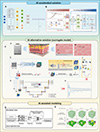 |
Figure 5 Hybrid modeling and efficient simulation. These studies demonstrate the power of hybrid AI-physics modeling and data-driven surrogate models within the BDA framework to achieve a balance between simulation accuracy and computational efficiency, which is crucial for rapid design iteration and reliable performance prediction. (A) A schematic diagram of the PINN architecture for the P2D model of a Li-ion battery cell. Reproduced with permission from Ref. [86]. Copyright©2025, Elsevier B.V. (B) A lightweight two-stage physics-informed neural network method for state of health (SOH) estimation. Reproduced with permission from Ref. [87]. (C) Schematic illustration of interface failure in solid-state battery and framework of machine learning model. (a) Schematic of a solid-state lithium metal battery and interface failure mechanisms. (b) Left panel: defects in solid-state electrolyte and corresponding stress fields calculated by finite element analysis. Statistical analysis identified curvature Cr and eccentricity ratio Ec as two key defect descriptors. Right panel: prior knowledge was quantitatively analyzed (including aspect ratio AR, symmetry S, and size-density δ) to generate the prior stress field map. (c) Illustration for three machine learning models, convolutional neural network (CNN), residual neural network (ResNet) and UNet. (d) Framework of SE-UNet model developed in this work. (e) Performance comparison between SE-UNet model and other models. Reproduced with permission from Ref. [88]. (D) Overview of the model development. Reproduced with permission from Ref. [89]. Copyright©2017, Elsevier B.V. (E) Mesostructures for three different compositions (85:15, 90:10, and 95:5) shown before solvent evaporation as equilibrated slurry mesostructures (i–iii) and after solvent evaporation and equilibration-formed electrodes (iv–vi). Light green particles represent the CBD particles with solvent, and bright green is used to denote the CBD particles after solvent evaporation; different colors (blue, yellow, light yellow, white, and purple) are used to show the five AM sizes as per the particle size distribution. Reproduced with permission from Ref. [90]. Copyright©2017, American Chemical Society. |
For design tasks that require a lot of parameter scanning, it is still unrealistic to directly call the physics simulator. At this time, an AI Surrogate Model (Surrogate Model) can be trained to replace expensive physical simulation and achieve multiple reuses after one simulation. Lin et al. [69] introduced a phase field model for whole batteries considering dead lithium formation during constant current cycling, establishing the relationship between battery parameters (such as current density, diffusion coefficient, and cycle number) and performance (such as battery life and CE). By combining HTP-PF with machine learning, they provided new ideas for accelerating battery development and performance optimization. To uncover the relationship between defect distribution in solid-state electrolyte (SSE) and von Mises stress distribution during electrochemical-mechanical processes, Xiong et al. [88] generated a rich dataset of defect fields and stress fields by solving coupled multi-physics equations based on electrochemical-mechanical mechanisms. They then designed and developed an efficient machine learning framework, SE-UNet. This model demonstrated extremely low error rates (MSE ~0.01%, MAE ~0.54%), and this method offers a highly promising research direction for future studies on electrochemical-mechanical interactions and the design of solid-solid interfaces in solid-state battery systems (Figure 5C). It can be seen that this agent model strategy is the core means for the BDA platform to automatically screen and optimize massive design schemes, and it can shorten the design cycle from weeks to hours. Furthermore, for problems with inherent multi-stage or multi-mechanism characteristics, the ‘divide-and-conquer’ modeling strategy offers a powerful alternative. Recently, Shi et al. [93] first descriptors divide-and-conquer modelling strategy, which integrates rough set theory with materials domain knowledge to identify core features and feature clusters for different ML models and thus rule extraction strategies are employed to dig out complex influencing mechanisms of materials. This method, together with the AI Surrogate Model, provides alternative technical approaches for BDA research to enhance simulation efficiency.
Whether it is mesoscopic or macroscopic simulation, its accuracy depends heavily on the authenticity of the input geometric model. Traditional simplified models severely limit the predictive ability of simulation, and using AI to process and reconstruct real multi-scale electrode structures is the key to improving the confidence of simulation predictions. Reconstructing the real pole piece and cell structure through AI-assisted industrial CT can provide the pole piece and cell structure consistent with the real working conditions, ensure the accuracy of the simulation, and ultimately realize the cross-scale simulation of the whole battery under the real working conditions. Simulation provides a guarantee. For example, Schmidt et al. [89] used machine learning techniques to detect cracks in Li-ion battery anodes after thermal runaway, testing the effectiveness of the classifier by applying the method to manually labeled data of real electrodes. For this dataset, an overall accuracy of 73% was achieved (Figure 5D). Franco et al. [90] used LiNi0.5Co0.2Mn0.3O2 as the active material to incorporate a discretized three-dimensional (3D) electrode obtained by simulating its manufacturing process into a 3D continuum performance model and explored the effects of electrode formulation variation on three scenarios. This study helped to establish a theoretical understanding of electrode fabrication to optimize battery performance (Figure 5E). This method bridges the gap between virtual design and practical application, and ensures the reliability of the results of the BDA platform.
AI-driven generative design
The ultimate objective of BDA lies in realizing “generative design”, a paradigm characterized by developing generative AI models that map target performance to tailored solutions of materials and processing conditions, which poses a process inverted from the conventional approach that establishes the relationship between design parameters (materials, processing conditions, etc.) and the performance. The generative design exhibits a unique capability to learn the generative AI models of design parameters and performance, and proactively generate candidate design parameters that satisfy the required target performance from the latent space in the learned models [94].
At the microscopic scale, generative models have shown great potential in designing electrolyte molecules and formulas. By learning the data distribution patterns from established electrolyte databases, these models can generate novel molecular structures and candidate formulations. The Uni-Electrolyte platform, developed by Zhang et al. [95], integrates generative AI, quantitative structure-property relationship (QSPR)/GNNs, DFT, MD, and retrosynthesis into a streamlined and seamless workflow. Notably, the platform incorporates three synergistic modules, namely EMolCurator, EMolForger, and EMolNetKnittor, which enable AI-driven design of advanced electrolytes for next-generation batteries (Figure 6A, B). Such efforts empower the researchers to generate a vast amount of novel molecular structures provided the expected performance, and substantially expand the chemical space to be explored.
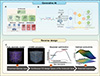 |
Figure 6 Generative AI and reverse design. This figure illustrates the paradigm of generative and reverse design in BDA, where AI models learn to map target performance to optimal material compositions, molecular structures, or synthesis pathways, thereby accelerating the discovery of next-generation battery components. (A) Schematic representation of the Uni-Electrolyte platform with three modules. The EMolCurator module aims to design new electrolyte molecules. Based on the embedded electrolyte database, QSPR and AI-based generative models were trained. The EMolForger module can predict the synthesis pathways and corresponding reaction conditions of potential electrolyte molecules. It was built with a synthetic route planner and AI-based single-step retrosynthesis predictor. The EMolNetKnittor module assesses the filtered electrolyte species and reaction database to propose chemical reaction networks and perform SEI-product analysis. Reproduced with permission from Ref. [95]. Copyright©2025, Wiley-VCH GmbH. (B) The illustration of the retrosynthesis module. Reproduced with permission from Ref. [95]. Copyright©2025, Wiley-VCH GmbH. (C) Toward designing highly conductive polymer electrolytes by machine learning assisted coarse-grained molecular dynamics. Reproduced with permission from Ref. [96]. Copyright©2020, American Chemical Society. |
At the mesoscopic scale, generative design also exhibits considerable promise for battery research and development (R&D). Remarkably, generative models can be employed to identify experimental synthesis and processing parameters, provided the target performance. Cho et al. [97] proposed a machine learning algorithm trained on an experimental database of a nickel-rich cathode material LiNixCo1–x–yMn1–x–y–zO2 (NCM) (x > 0.85) and employed the generative design scheme to obtain ideal experimental parameters that meet predefined electrochemical performance, which were subsequently validated experimentally. Similarly, Grossman et al. [96] proposed a novel design methodology for SPEs that integrates CGMD with Bayesian optimization. Using this approach, they derived the relationship between lithium conductivity and intrinsic material properties at the molecular level. This insight sets the direction of optimizing known high-performance electrolyte components, including anions, secondary functional sites, and polymer main chains (Figure 6C). Beyond material and electrolyte design, the BDA platform can also generate optimal electrode structures tailored to specific application scenarios (e.g., fast-charging). This can be accomplished by generative models that design key microstructural characteristic parameters, such as porosity and particle size distribution. These blueprints not only guide the precise manufacturing of electrodes but also ultimately form an automated closed-loop procedure: performance requirements → material/structural generation → simulation verification → process manufacturing → performance. As proposed by Shi et al. [98], the true potential of AI in battery design will be fully unlocked by deeply embedding materials domain knowledge into these generative and predictive frameworks [99,100]. This paradigm shift, from purely data-driven to knowledge-informed AI, is crucial for ensuring the physical consistency, interpretability, and practical utility of the generated designs in the BDA platform.
Overall, there are substantial efforts to leverage AI-driven multi-scale simulations to address specific problems at specific scales despite the challenges. Three core techniques, including high-quality parameter passing, AI-enhanced efficient simulation, and AI-guided generative design, have together constructed the technical cornerstone of BDA.
INDUSTRIAL PRACTICE OF BDA
The vitality of the AI-driven multi-scale simulations resides in their capacity to be translated into software platforms and workflows capable of addressing practical industrial challenges. This chapter aims to explore the architecture and functions of BDA software solutions. Using three signature software developed by Eacomp Technology Co, Ltd. as a case study, it elucidates how the BDA software can be interoperated to address the practical industrial R&D challenges. Subsequently, this chapter will discuss the value and ecosystem fostered by such BDA-inspired paradigms (Figure 7).
 |
Figure 7 Technology roadmap of BDA+AI to realize intelligent battery design. |
The architecture and functions of BDA software
The functions of the BDA software should at least cover accurate and efficient multi-scale simulations of the properties of the assembled battery and the evaluation of its performance. Such an integrated platform is unprecedented to the best of the author’s knowledge. Therefore, this section mainly discusses the first BDA platform developed by Eacomp Technology Co, Ltd. (Figure 8), which encompasses three signature software, including Matter Craft®, BatTwin Craft®, and BatMind Craft®.
 |
Figure 8 Full-stack BDA software architecture: Matter Craft®, BatTwin Craft® and BatMind Craft®. |
Matter Craft®: Materials design at microscopic scales
Matter Craft® aims to address the challenges of materials design at the microscopic scale. It leverages first-principles and molecular dynamics simulations to perform optimization and discovery of battery materials, including cathode and anode materials, liquid and solid-state electrolytes, and separators. It integrates a collection of computational tools, including Hylanemos (for plane-wave density functional theory, DFT), CP2K (for atomic basis DFT), PySCF (for quantum chemistry calculations), LAMMPS (for classical molecular dynamics), and machine learning force fields (MLFF). Specifically, the Hylanemos has been developed to provide more accurate DFT calculations of cathode materials by incorporating precise initial magnetic moment calculations, compared to the prevalent plane wave DFT tools.
Matter Craft® supports comprehensive modeling of crystals, molecules, and interfaces, covering the major scenarios in battery materials design. It also offers extensive specialized workflows for assessing the thermodynamics and kinetic properties of both electrode and electrolyte materials. For electrode and solid-state electrolyte materials, it performs calculations of ionic conductivity, voltage profile, surface adsorption and morphology, to name but a few. For liquid electrolytes, key analyses cover solvation structure, redox potential, and more intriguingly, the formation kinetics of solid electrolyte interphase (SEI) and cathode electrolyte interphase (CEI). These calculated properties serve as a vital source for the materials databases utilized in the microstructure and cell-level simulations performed by BatTwin Craft®, as described below.
BatTwin Craft®: Microstructure and cell design at the mesoscopic and macroscopic scales
To bridge the gap between materials properties and system-level performance, BatTwin Craft® establishes a multi-scale simulation framework centered on electrode microstructures and cell-level behavior. Built upon general-purpose finite element solvers, the software applies programming language suited for engineering applications and the battery-specific algorithms to ensure efficient workflows for modeling and simulation. Notably, it functions at every key step in the entire R&D process, spanning material development, electrode fabrication, and cell assembly. Also, BatTwin Craft® offers application programming interface (API) to allow the utilization of customized algorithms, which enables parameter calibration and scenario-specific design optimization, catering to the diverse industrial R&D needs.
The software supports multi-scale parametric modeling for systems at different scales, including microstructures of the single particles and electrode, and geometric structure of the half-cell and full cell, where model calibration is validated against experimental data to ensure prediction accuracy. Specifically, two complementary simulation modules are presented: heterogeneous and homogeneous electrochemical simulations. Heterogeneous electrochemical simulations enable high-fidelity analysis of microstructure of single-particle and electrode by describing the geometry of the porous structure in detail, while the homogeneous electrochemical simulations facilitate efficient performance evaluation of half-cell and full cell by homogenizing the components in the cell. These two modules are correlated by equivalent parameters calculation and passing techniques.
Overall, the BatTwin Craft® delivers comprehensive analysis, including quantitative characterization of electric, thermal, concentration, flow, and stress fields, alongside performance evaluation and physical fields visualization, which enable precise prognostics of mesoscopic and macroscopic phenomena critical to battery performance and safety.
BatMind Craft®: Data-driven intelligent design and decision optimization
To complement the physical simulation capabilities, BatMind Craft® employs artificial intelligence and big data techniques to enable data-driven intelligent design and decision optimization at the system level. The software incorporates high-fidelity predictive models that were constantly and iteratively trained on massive datasets, which include online operational data and offline experimental data. This capability enables reliable and accurate prognostics of battery pack behavior under complex operating conditions (e.g., variable temperatures, dynamic load profiles). It not only facilitates tracking, management, and intelligent early warning of anomalous cells in real-world operating environments, but also provides analyses of characterization data across three critical phases, including design, manufacturing, and operations of the battery, i.e., the entire lifecycle.
BatMind Craft® carries out three major tasks that comprise data collection and management, data analysis, and model training and prediction. It first performs systematic ingestion and multi-dimensional profiling of standardized data entry, ensuring high-quality and structured datasets. Subsequently, it executes multi-task analytics on the datasets with respect to hundreds of key metrics, including electrochemical indicators and meta-indicators. Finally, it conducted feature extraction and model training. The trained model can be used to predict the performance of battery packs. These tasks help accomplish four typical applications. Firstly, it achieves real-time monitoring of cell voltage, temperature, capacity, and state of charge (SOC), and evaluation models that inform the consistency of different cells within a battery module, as well as maintenance recommendations. Secondly, it realizes early warning of potential risks (e.g., lithium plating, excessive self-discharge, and thermal runaway) at both the cell and pack levels. Thirdly, it provides an accurate prediction of battery service life and consequently strategies for optimization of operation parameters and charging protocols. Finally, it predicts and assesses critical state variables, including SOH, state of energy (SOE), and internal resistance.
Industrial value and ecosystem
The success of BDA stems not only from technological breakthroughs but also from its profound value in reshaping the industrial R&D paradigm. BDA generates core value for diverse stakeholders across the LIB industrial chain. It assists material manufacturers in expediting the discovery of novel materials, empowers battery cell manufacturers to optimize cell design and enhance production yield rates, and delivers battery management system (BMS) solutions for original equipment manufacturers (OEMs).
Analogous to the EDA software, BDA can not blossom without its own ecosystem. There must be an iterative feedback-and-feedforward procedure that occurs between the real users and software developers, especially at the very first stage. Fortunately, BDA has gradually permeated the full value chain and forged close collaborative partnerships with leading enterprises. This mature industry collaboration provides a robust foundation for the practical implementation and iterative advancement of BDA technologies.
SUMMARY AND OUTLOOK
This review systematically discusses the conceptual framework, core technologies, and industrial practice of BDA. By unifying AI and multi-scale simulations, BDA addresses the most pressing challenges in the LIB R&D process, which are cross-scale, long-process, and multi-factor. Despite the transformative role and promising application of BDA, there remain several challenges. These hurdles can be categorized into two dimensions: technical and data-related.
Technical challenges: It poses the fundamental challenges inherent to multi-scale simulations, including how to tackle the vast chemical space of battery materials and their intricate interactions [101], and how to establish accurate and efficient multi-scale simulations of battery systems leveraging parameter passing and AI techniques [102,103].
Data-related challenges: Data serves as the cornerstone of the AI-driven BDA platform. However, it takes tremendous effort to standardize, clean, and manage multi-source, multi-scale, and multi-modal data [104–106], while these data can be scarce and costly in most cases. To systematically address these data challenges, Shi et al. [107] pioneered a data quality and quantity governance framework. Through in-depth research on data quality assessment [108] and data accuracy governance [109], they provided theoretical guidance and candidate solutions for acquiring high-quality data of BDA in appropriate quantities. In terms of dataset quantity, the generation of high-fidelity virtual data can somewhat complement the scarcity of experimental data [110,111]. Nevertheless, the fusion of the virtual and experimental data remains a problem.
To address the aforementioned challenges, a clear and phased roadmap must be adopted, progressing from foundational algorithm advancement to full integration of AI, physical simulation, and high-performance computing (Figure 9). Attention should first be put on the developments of AI techniques that drive the simulation at different scales, including GNN models (such as a random batch-based algorithm) and MLFF methods at the microscopic scale, and the PINN algorithms at the mesoscopic and macroscopic scales. Also, a robust finite element solver is urgently required to address the instability of the simulation of battery behavior under working environments (i.e., multi-physics problem). Furthermore, multi-fidelity algorithms should be developed to partially address the data fusion problem of vast virtual data and scarce experimental data. For the fully integrated platform, a stable and reliable “design-simulation-verification” closed-loop methodology should be established first, which ensures that virtual design outputs are iteratively calibrated against experimental data to maintain predictive credibility.
 |
Figure 9 AI-driven cross-scale accurate simulation for BDA. |
In summary, BDA paves the way for transforming and revolutionizing the paradigm of the R&D process for LIB. For the leading countries in the battery industry, BDA offers a strategic opportunity to transition from relying on the advantage in manufacturing capability to leveraging excellence in R&D, thereby sustaining the long-term leading position in the global market.
Data availability
The original data are available from corresponding authors upon reasonable request.
Funding
This work was supported by the Advanced Materials-National Science and Technology Major Project (2025ZD0618801) and the National Natural Science Foundation of China (12426301).
Author contributions
G.L, Y.Z, J.Z, J.G, B.X, and C.O. supervised the project. All authors organized the structure of the manuscript. Z.L. and G.L. wrote the manuscript. All authors reviewed and edited the manuscript.
Conflict of interest
The authors declare no conflict of interest.
References
- Armand M, Tarascon JM. Building better batteries. Nature 2008; 451: 652-657. [Article] [CrossRef] [PubMed] [Google Scholar]
- Goodenough JB, Park KS. The Li-ion rechargeable battery: A perspective. J Am Chem Soc 2013; 135: 1167-1176. [Article] [CrossRef] [PubMed] [Google Scholar]
- Wang C, Yang C, Zheng Z. Toward practical high-energy and high-power lithium battery anodes: Present and future. Adv Sci 2022; 9: 2105213. [Article] [Google Scholar]
- Duffner F, Kronemeyer N, Tübke J, et al. Post-lithium-ion battery cell production and its compatibility with lithium-ion cell production infrastructure. Nat Energy 2021; 6: 123-134. [Article] [Google Scholar]
- Nitta N, Wu F, Lee JT, et al. Li-ion battery materials: Present and future. Mater Today 2015; 18: 252-264. [Article] [Google Scholar]
- National Energy Administration. China’s New Energy Storage Development Report 2025. 2025, https://hbj.nea.gov.cn/xxgk/zcfg/202508/t20250804_285293.html [Google Scholar]
- Ministry of Industry and Information Technology. 2024 National Lithium-Ion Battery Industry Operation Report. 2024, https://www.miit.gov.cn/jgsj/dzs/gzdt/art/2024/art_46a61eb9ee544ba38364f5576a014b84.html [Google Scholar]
- Niu H, Zhang N, Lu Y, et al. Strategies toward the development of high-energy-density lithium batteries. J Energy Storage 2024; 88: 111666. [Article] [Google Scholar]
- Schmuch R, Wagner R, Hörpel G, et al. Performance and cost of materials for lithium-based rechargeable automotive batteries. Nat Energy 2018; 3: 267-278. [Article] [NASA ADS] [CrossRef] [Google Scholar]
- Winter M, Barnett B, Xu K. Before Li ion batteries. Chem Rev 2018; 118: 11433-11456. [Article] [CrossRef] [PubMed] [Google Scholar]
- Lin D, Liu Y, Cui Y. Reviving the lithium metal anode for high-energy batteries. Nat Nanotech 2017; 12: 194-206. [Article] [Google Scholar]
- Fan Y, Zhang W, Zhao Y, et al. Fundamental understanding and practical challenges of lithium-rich oxide cathode materials: Layered and disordered-rocksalt structure. Energy Storage Mater 2021; 40: 51-71. [Article] [Google Scholar]
- Kamaya N, Homma K, Yamakawa Y, et al. A lithium superionic conductor. Nat Mater 2011; 10: 682-686. [Article] [NASA ADS] [CrossRef] [PubMed] [Google Scholar]
- Manthiram A, Chung SH, Zu C. Lithium-sulfur batteries: Progress and prospects. Adv Mater 2015; 27: 1980-2006. [Article] [Google Scholar]
- Schnell J, Knörzer H, Imbsweiler AJ, et al. Solid versus liquid—A bottom-up calculation model to analyze the manufacturing cost of future high-energy batteries. Energy Tech 2020; 8: 1901237. [Article] [Google Scholar]
- Xia S, Wu X, Zhang Z, et al. Practical challenges and future perspectives of all-solid-state lithium-metal batteries. Chem 2019; 5: 753-785. [Article] [Google Scholar]
- Hu P, Chen W, Wang Y, et al. Fatigue-free and skin-like supramolecular ion-conductive elastomeric interphases for stable lithium metal batteries. ACS Nano 2023; 17: 16239-16251. [Article] [Google Scholar]
- Tikekar MD, Choudhury S, Tu Z, et al. Design principles for electrolytes and interfaces for stable lithium-metal batteries. Nat Energy 2016; 1: 16114. [Article] [Google Scholar]
- Famprikis T, Canepa P, Dawson JA, et al. Fundamentals of inorganic solid-state electrolytes for batteries. Nat Mater 2019; 18: 1278-1291. [Article] [CrossRef] [PubMed] [Google Scholar]
- Krauskopf T, Dippel R, Hartmann H, et al. Lithium-metal growth kinetics on LLZO garnet-type solid electrolytes. Joule 2019; 3: 2030-2049. [Article] [Google Scholar]
- Cano ZP, Banham D, Ye S, et al. Batteries and fuel cells for emerging electric vehicle markets. Nat Energy 2018; 3: 279-289. [Article] [Google Scholar]
- Liu X, Zhang L, Yu H, et al. Bridging multiscale characterization technologies and digital modeling to evaluate lithium battery full lifecycle. Adv Energy Mater 2022; 12: 2200889. [Article] [Google Scholar]
- Chirigati F. Computationally designing synthesizable molecules. Nat Comput Sci 2021; 1: 14. [Article] [Google Scholar]
- Ning Y, Yang F, Zhang Y, et al. Bridging multimodal data and battery science with machine learning. Matter 2024; 7: 2011-2032. [Article] [Google Scholar]
- Jiang B, Zhao C, Zhang Y, et al. Atomic-scale interface engineering to construct highly efficient electrocatalysts for advanced lithium-sulfur batteries. ACS Nano 2025; 19: 18332-18346. [Article] [Google Scholar]
- Liu Y, Xu X, Sadd M, et al. Insight into the critical role of exchange current density on electrodeposition behavior of lithium metal. Adv Sci 2021; 8: 2003301. [Article] [Google Scholar]
- Li W, Erickson EM, Manthiram A. High-nickel layered oxide cathodes for lithium-based automotive batteries. Nat Energy 2020; 5: 26-34. [Article] [NASA ADS] [CrossRef] [Google Scholar]
- Wang J, Sun X. Olivine LiFePO4: The remaining challenges for future energy storage. Energy Environ Sci 2015; 8: 1110-1138. [Article] [Google Scholar]
- Li R, Zhang H, Zhang S, et al. Unified affinity paradigm for the rational design of high-efficiency lithium metal electrolytes. Nat Energy 2025; 10: 1155-1165. [Article] [Google Scholar]
- Yu J, Kim B, Yoo Y. Dry electrode processing for lithium-ion battery cathodes and anodes: Materials, fabrication strategies, and future outlook. Adv Mater Technologies 2025; : e01420. [Article] [Google Scholar]
- Yu J, Franco AA. Mesoscale modeling and simulation for flow batteries. In: Roth C, Noack J, Skyllas-Kazacos M (eds). Flow Batteries: From Fundamentals to Applications. Weinheim: Wiley, 2023, 355–378 [Google Scholar]
- Wang S, Liu J, Song X, et al. Artificial intelligence empowers solid-state batteries for material screening and performance evaluation. Nano-Micro Lett 2025; 17: 287. [Article] [Google Scholar]
- Attia PM, Grover A, Jin N, et al. Closed-loop optimization of fast-charging protocols for batteries with machine learning. Nature 2020; 578: 397-402. [Article] [CrossRef] [PubMed] [Google Scholar]
- Chen Y, Liu Y, He Z, et al. Artificial intelligence for the understanding of electrolyte chemistry and electrode interface in lithium battery. Natl Sci Open 2024; 3: 20230039 [Google Scholar]
- Dave A, Mitchell J, Burke S, et al. Autonomous optimization of non-aqueous Li-ion battery electrolytes via robotic experimentation and machine learning coupling. Nat Commun 2022; 13: 5454. [Article] [Google Scholar]
- Wang J, Ge B, Li H, et al. Challenges and progresses of lithium-metal batteries. Chem Eng J 2021; 420: 129739. [Article] [Google Scholar]
- Waldmann T, Hogg BI, Wohlfahrt-Mehrens M. Li plating as unwanted side reaction in commercial Li-ion cells: A review. J Power Sources 2018; 384: 107-124. [Article] [Google Scholar]
- Mead C. Introduction to VLSI Systems. Boston: Addison-Wesley Publishing Co., 1980 [Google Scholar]
- Junyu J, Quanquan Z, Ningbo C, et al. Development and applications of an intelligent big data analysis platform for batteries. Energy Storage Sci Technol 2024; 13: 3198–3213 [Google Scholar]
- Li G, Monroe CW. Multiscale lithium-battery modeling from materials to cells. Annu Rev Chem Biomol Eng 2020; 11: 277-310. [Article] [Google Scholar]
- Yang H, Li X, Fu K, et al. Behavioral description of lithium-ion batteries by multiphysics modeling. DeCarbon 2024; 6: 100076. [Article] [Google Scholar]
- Wang Y, Wu H, Sun L, et al. Coupled electrochemical-mechanical modeling with strain gradient plasticity for lithium-ion battery electrodes. Eur J Mech-A Solids 2021; 87: 104230. [Article] [Google Scholar]
- Troncoso JF, Zanotto FM, Galvez-Aranda DE, et al. The ARTISTIC battery manufacturing digitalization initiative: From fundamental research to industrialization. Batteries Supercaps 2025; 8: e202400385. [Article] [Google Scholar]
- Nanjo S, Arifin S, Maeda H, et al. SPACIER: On-demand polymer design with fully automated all-atom classical molecular dynamics integrated into machine learning pipelines. npj Comput Mater 2025; 11: 16. [Article] [Google Scholar]
- Chen Q, Lai X, Zhang Y, et al. AI-driven sustainability assessment for greener lithium-ion batteries. Carbon Footprints 2025; 4: 12. [Article] [Google Scholar]
- Shi S, Gao J, Liu Y, et al. Multi-scale computation methods: Their applications in lithium-ion battery research and development. Chin Phys B 2016; 25: 018212. [Article] [Google Scholar]
- Ren Y, Luo YQ, Shi SQ. Computational physics in lithium batteries. Physics 2022; 51: 384–396 [Google Scholar]
- Rae M, Ottaviani M, Capkova D, et al. Comprehensive machine learning approaches for modelling the state of charge of lithium-ion batteries. J Power Sources 2025; 646: 236929. [Article] [Google Scholar]
- Mama M, Solai E, Capurso T, et al. Comprehensive review of multi-scale Lithium-ion batteries modeling: From electro-chemical dynamics up to heat transfer in battery thermal management system. Energy Convers Manage 2025; 325: 119223. [Article] [Google Scholar]
- Severson KA, Attia PM, Jin N, et al. Data-driven prediction of battery cycle life before capacity degradation. Nat Energy 2019; 4: 383-391. [Article] [Google Scholar]
- Perdikaris P, Raissi M, Damianou A, et al. Nonlinear information fusion algorithms for data-efficient multi-fidelity modelling. Proc R Soc A 2017; 473: 20160751. [Article] [Google Scholar]
- Merchant A, Batzner S, Schoenholz SS, et al. Scaling deep learning for materials discovery. Nature 2023; 624: 80-85. [Article] [Google Scholar]
- Chen C, Nguyen DT, Lee SJ, et al. Accelerating computational materials discovery with machine learning and cloud high-performance computing: From large-scale screening to experimental validation. J Am Chem Soc 2024; 146: 20009-20018. [Article] [Google Scholar]
- Lai G, Jiao J, Fang C, et al. The mechanism of Li deposition on the Cu substrates in the anode-free Li metal batteries. Small 2023; 19: 2205416. [Article] [Google Scholar]
- Jiao J, Lai G, Zhao L, et al. Self-healing mechanism of lithium in lithium metal. Adv Sci 2022; 9: 2105574. [Article] [Google Scholar]
- Lai G, Zuo Y, Jiao J, et al. The mechanism of external pressure suppressing dendrites growth in Li metal batteries. J Energy Chem 2023; 79: 489-494. [Article] [NASA ADS] [CrossRef] [Google Scholar]
- Franco AA, Rucci A, Brandell D, et al. Boosting rechargeable batteries R&D by multiscale modeling: Myth or reality?. Chem Rev 2019; 119: 4569-4627. [Article] [Google Scholar]
- Batzner S, Musaelian A, Sun L, et al. E(3)-equivariant graph neural networks for data-efficient and accurate interatomic potentials. Nat Commun 2022; 13: 2453. [Article] [Google Scholar]
- Musaelian A, Batzner S, Johansson A, et al. Learning local equivariant representations for large-scale atomistic dynamics. Nat Commun 2023; 14: 579. [Article] [Google Scholar]
- Zuo Y, Chen C, Li X, et al. Performance and cost assessment of machine learning interatomic potentials. J Phys Chem A 2020; 124: 731-745. [Article] [Google Scholar]
- Shen L, Wang Z, Xu S, et al. Harnessing database-supported high-throughput screening for the design of stable interlayers in halide-based all-solid-state batteries. Nat Commun 2025; 16: 3687. [Article] [Google Scholar]
- Allam O, Cho BW, Kim KC, et al. Application of DFT-based machine learning for developing molecular electrode materials in Li-ion batteries. RSC Adv 2018; 8: 39414-39420. [Article] [Google Scholar]
- Wu T, Zhang P. Coarse-grained simulation of PEO/LiTFSI electrolytes with assistance of bayesian optimization. Macromolecules 2023; 56: 6609-6617. [Article] [Google Scholar]
- Li Y, Wang Y, Chen B, et al. Machine learning-assisted phase-field simulation for predicting the impact of lithium-ion transport parameters on maximum battery dendrite height and space utilization rate. Energy Storage Sci Technol 2024; 13: 2864–2870 [Google Scholar]
- Taghavian H, Vanoppen V, Berg E, et al. Navigating chemical design spaces for metal-ion batteries via machine-learning-guided phase-field simulations. npj Comput Mater 2025; 11: 243. [Article] [Google Scholar]
- Liu M, Clement C, Liu K, et al. A data science approach for advanced solid polymer electrolyte design. Comput Mater Sci 2021; 187: 110108. [Article] [Google Scholar]
- Ren Y, Zhang K, Zhou Y, et al. Phase-field simulation and machine learning study of the effects of elastic and plastic properties of electrodes and solid polymer electrolytes on the suppression of Li dendrite growth. ACS Appl Mater Interfaces 2022; 14: 30658-30671. [Article] [CrossRef] [PubMed] [Google Scholar]
- Li Y, Zhao W, Zhang G, et al. Unified picture on temperature dependence of lithium dendrite growth via phase-field simulation. Energy Mater Adv 2023; 4: 0053. [Article] [Google Scholar]
- Han D, Lin C. Combination of high-throughput phase field modeling and machine learning to study the performance evolution during lithium battery cycling. Energy Storage Mater 2025; 74: 103982. [Article] [Google Scholar]
- Sendek AD, Yang Q, Cubuk ED, et al. Holistic computational structure screening of more than 12000 candidates for solid lithium-ion conductor materials. Energy Environ Sci 2017; 10: 306-320. [Article] [Google Scholar]
- Chouchane M, Yao W, Cronk A, et al. Improved rate capability for dry thick electrodes through finite elements method and machine learning coupling. ACS Energy Lett 2024; 9: 1480-1486. [Article] [Google Scholar]
- Xie T, France-Lanord A, Wang Y, et al. Accelerating amorphous polymer electrolyte screening by learning to reduce errors in molecular dynamics simulated properties. Nat Commun 2022; 13: 3415. [Article] [Google Scholar]
- Khajeh A, Schweigert D, Torrisi SB, et al. Early prediction of ion transport properties in solid polymer electrolytes using machine learning and system behavior-based descriptors of molecular dynamics simulations. Macromolecules 2023; 56: 4787-4799. [Article] [Google Scholar]
- Ricci E, Vergadou N. Integrating machine learning in the coarse-grained molecular simulation of polymers. J Phys Chem B 2023; 127: 2302-2322. [Article] [Google Scholar]
- Shodiev A, Primo E, Arcelus O, et al. Insight on electrolyte infiltration of lithium ion battery electrodes by means of a new three-dimensional-resolved lattice Boltzmann model. Energy Storage Mater 2021; 38: 80-92. [Article] [Google Scholar]
- Wang J, Olsson S, Wehmeyer C, et al. Machine learning of coarse-grained molecular dynamics force fields. ACS Cent Sci 2019; 5: 755-767. [Article] [Google Scholar]
- Yao X, Hafiz H, Chen L, et al. Coarse-grained molecular dynamics modelling of lithium-ion battery electrode drying: A sensitivity analysis. J Manufacturing Processes 2025; 144: 54-59. [Article] [Google Scholar]
- Valizadeh A, Amirhosseini MH. Machine learning in lithium-ion battery: Applications, challenges, and future trends. SN COMPUT SCI 2024; 5: 717. [Article] [Google Scholar]
- Li Y, Tang Z, Chen Z, et al. Neural-network density functional theory based on variational energy minimization. Phys Rev Lett 2024; 133: 076401. [Article] [Google Scholar]
- Xu G, Jiang M, Li J, et al. Machine learning-accelerated discovery and design of electrode materials and electrolytes for lithium ion batteries. Energy Storage Mater 2024; 72: 103710. [Article] [Google Scholar]
- Cuomo S, Di Cola VS, Giampaolo F, et al. Scientific machine learning through physics–informed neural networks: Where we are and what’s next. J Sci Comput 2022; 92: 88. [Article] [Google Scholar]
- Karniadakis GE, Kevrekidis IG, Lu L, et al. Physics-informed machine learning. Nat Rev Phys 2021; 3: 422-440. [Article] [Google Scholar]
- Wang S, Yu X, Perdikaris P. When and why PINNs fail to train: A neural tangent kernel perspective. J Comput Phys 2022; 449: 110768. [Article] [Google Scholar]
- Wang F, Zhai Z, Zhao Z, et al. Physics-informed neural network for lithium-ion battery degradation stable modeling and prognosis. Nat Commun 2024; 15: 4332. [Article] [Google Scholar]
- Wen P, Ye ZS, Li Y, et al. Physics-informed neural networks for prognostics and health management of lithium-ion batteries. IEEE Trans Intell Veh 2024; 9: 2276-2289. [Article] [Google Scholar]
- Lee MS, Oh J, Lee DC, et al. Forward and inverse simulation of pseudo-two-dimensional model of lithium-ion batteries using neural networks. Comput Methods Appl Mech Eng 2025; 438: 117856. [Article] [Google Scholar]
- Lin C, Wu L, Tuo X, et al. A lightweight two-stage physics-informed neural network for SOH estimation of lithium-ion batteries with different chemistries. J Energy Chem 2025; 105: 261-279. [Article] [Google Scholar]
- Wu J, Yao R, Wang K, et al. Prior-knowledge-driven machine learning modeling for electro-chemo-mechanical failure of solid-state electrolyte. J Energy Chem 2025; 111: 119-128. [Article] [Google Scholar]
- Petrich L, Westhoff D, Feinauer J, et al. Crack detection in lithium-ion cells using machine learning. Comput Mater Sci 2017; 136: 297-305. [Article] [Google Scholar]
- Ngandjong AC, Rucci A, Maiza M, et al. Multiscale simulation platform linking lithium ion battery electrode fabrication process with performance at the cell level. J Phys Chem Lett 2017; 8: 5966-5972. [Article] [Google Scholar]
- Wang BC, Ji ZD, Wang Y, et al. A physics-informed composite network for modeling of electrochemical process of large-scale lithium-ion batteries. IEEE Trans Ind Inf 2025; 21: 287-296. [Article] [Google Scholar]
- Zhang S, Liu Z, Xu Y, et al. A physics-informed hybrid multitask learning for lithium-ion battery full-life aging estimation at early lifetime. IEEE Trans Ind Inf 2025; 21: 415-424. [Article] [Google Scholar]
- Liu Y, Wu L, Yang Z, et al. Descriptors divide-and-conquer enables multifaceted and interpretable materials structure—Activity relationship analysis. Adv Funct Mater 2025; 35: 2421621. [Article] [Google Scholar]
- Zhang R, Rong F, Lai G, et al. Machine learning descriptors for crystal materials: Applications in Ni-rich layered cathode and lithium anode materials for high-energy-density lithium batteries. J Mater Inf 2024; 4: 17. [Article] [Google Scholar]
- Chen X, Liu M, Yin S, et al. Uni-electrolyte: An artificial intelligence platform for designing electrolyte molecules for rechargeable batteries. Angew Chem Int Ed 2025; 64: e202503105. [Article] [Google Scholar]
- Wang Y, Xie T, France-Lanord A, et al. Toward designing highly conductive polymer electrolytes by machine learning assisted coarse-grained molecular dynamics. Chem Mater 2020; 32: 4144-4151. [Article] [Google Scholar]
- Min K, Choi B, Park K, et al. Machine learning assisted optimization of electrochemical properties for Ni-rich cathode materials. Sci Rep 2018; 8: 15778. [Article] [Google Scholar]
- Liu Y, Guo B, Zou X, et al. Machine learning assisted materials design and discovery for rechargeable batteries. Energy Storage Mater 2020; 31: 434-450. [Article] [NASA ADS] [CrossRef] [Google Scholar]
- Liu Y, Zou X, Yang Z, et al. Machine learning embedded with materials domain knowledge. J Chin Ceram Soc 2022; 50: 863–876 [Google Scholar]
- Liu Y, Wang S, Yang Z, et al. Auto-MatRegressor: Liberating machine learning alchemists. Sci Bull 2023; 68: 1259-1270. [Article] [Google Scholar]
- Wu K, Tan J, Liu C. Cross-domain few-shot learning approach for lithium-ion battery surface defects classification using an improved siamese network. IEEE Sens J 2022; 22: 11847-11856. [Article] [Google Scholar]
- Jain A, Ong SP, Chen W, et al. FireWorks: A dynamic workflow system designed for high-throughput applications. Concurr Comp 2015; 27: 5037-5059. [Article] [Google Scholar]
- Deng J, Bae C, Denlinger A, et al. Electric vehicles batteries: Requirements and challenges. Joule 2020; 4: 511-515. [Article] [CrossRef] [Google Scholar]
- Lombardo T, Duquesnoy M, El-Bouysidy H, et al. Artificial intelligence applied to battery research: Hype or reality?. Chem Rev 2022; 122: 10899-10969. [Article] [CrossRef] [PubMed] [Google Scholar]
- Li J, Sharma N, Jiang Z, et al. Dynamics of particle network in composite battery cathodes. Science 2022; 376: 517-521. [Article] [Google Scholar]
- Li X, Gao J, Zhou W, et al. Application of COMSOL multiphysics in lithium-ion batteries. Energy Storage Sci Technol 2024; 13: 546–567 [Google Scholar]
- Liu Y, Yang Z, Zou X, et al. Data quantity governance for machine learning in materials science. Natl Sci Rev 2023; 10: nwad125. [Article] [Google Scholar]
- Liu Y, Yang Z, Zou X, et al. A general framework to govern machine learning oriented materials data quality. Mater Sci Eng-R-Rep 2025; 166: 101050. [Article] [Google Scholar]
- Liu Y, Ma S, Yang Z, et al. Domain knowledge-assisted materials data anomaly detection towards constructing high-performance machine learning models. J Materiomics 2025; 11: 101066. [Article] [Google Scholar]
- Liu D, Shadike Z, Lin R, et al. Review of recent development of in situ/operando characterization techniques for lithium battery research. Adv Mater 2019; 31: 1806620. [Article] [Google Scholar]
- Liu X, Fan K, Huang X, et al. Recent advances in artificial intelligence boosting materials design for electrochemical energy storage. Chem Eng J 2024; 490: 151625. [Article] [Google Scholar]
All Figures
|
Figure 1 Lithium battery research and development bottlenecks: cross-scale, long process, multi-factor. Reproduced with permission from Ref. [22]. Copyright©2022, Wiley-VCH GmbH. |
| In the text | |
|
Figure 2 BDA architecture in multi-scale simulation. |
| In the text | |
|
Figure 3 Research status: there is currently no exclusive BDA for the battery industry. |
| In the text | |
|
Figure 4 Cross-scale parameter transfer and intelligent coupling. This figure showcases how AI-driven simulations and data mining at atomic, mesoscopic and macroscopic scales provide high-fidelity parameters and fundamental insights for the BDA platform, enabling quantitative design and optimization of battery materials and interfaces. (A) Li homogeneous deposition on the Cu surfaces with different indices and the results of surface similarity analysis (SSA). Reproduced with permission from Ref. [54]. Copyright©2022, Wiley-VCH GmbH. (B) Effect of different lithium dendrite morphologies and local current density variance on the self-repair mechanism. Reproduced with permission from Ref. [55]. Copyright©2022, The Author(s). (C) Schematic diagram of the growth mechanism of lithium dendrite relieved by external pressure. Reproduced with permission from Ref. [56]. (D) Dendrite morphology in electrochemical system with different lithium-ion transport parameters (diffusion coefficient of Li+ in electrode (Ds′), diffusion coefficient of Li+ in electrolyte (D56l′), electronic conductivity of electrode (σs′), ionic conductivity of electrolyte (σl′)) at 7 s. Reproduced with permission from Ref. [64]. Copyright©2024, Editorial office of Energy Storage Science and Technology. (E) Level sets of the order parameter ζ (phase parameter) in a small box around the electrode/electrolyte transition zone (ζ0<ζ1). Reproduced with permission from Ref. [65]. Copyright©2025, The Author(s). (F) Database-supported high-throughput screening framework for interlayer materials at the Li|SSE interface. (The framework consists of four sequential screening steps to identify promising interlayer material candidates. The gray, blue, yellow, and green sections represent the screening for thermodynamic stability, electrochemical stability, self-limiting reaction behavior, and ionic conductivity, respectively). Reproduced with permission from Ref. [61]. Copyright©2025, The Author(s). (G) Artificial neural network with 10 input variables and two hidden layers. Reproduced with permission from Ref. [62]. Copyright©2018, The Royal Society of Chemistry. (H) A data science approach for advanced solid polymer electrolyte design. Reproduced with permission from Ref. [66]. Copyright©2020 Elsevier B.V. (I) Equilibrium EO-Li+ separation (rEO+eq) as a function of SEO+. The inset shows the configuration used to estimate the value of rEO+eq (hydrogens not shown for clarity) and the resulting values of ρ after BO. Reproduced with permission from Ref. [63]. Copyright©2023, American Chemical Society. |
| In the text | |
|
Figure 5 Hybrid modeling and efficient simulation. These studies demonstrate the power of hybrid AI-physics modeling and data-driven surrogate models within the BDA framework to achieve a balance between simulation accuracy and computational efficiency, which is crucial for rapid design iteration and reliable performance prediction. (A) A schematic diagram of the PINN architecture for the P2D model of a Li-ion battery cell. Reproduced with permission from Ref. [86]. Copyright©2025, Elsevier B.V. (B) A lightweight two-stage physics-informed neural network method for state of health (SOH) estimation. Reproduced with permission from Ref. [87]. (C) Schematic illustration of interface failure in solid-state battery and framework of machine learning model. (a) Schematic of a solid-state lithium metal battery and interface failure mechanisms. (b) Left panel: defects in solid-state electrolyte and corresponding stress fields calculated by finite element analysis. Statistical analysis identified curvature Cr and eccentricity ratio Ec as two key defect descriptors. Right panel: prior knowledge was quantitatively analyzed (including aspect ratio AR, symmetry S, and size-density δ) to generate the prior stress field map. (c) Illustration for three machine learning models, convolutional neural network (CNN), residual neural network (ResNet) and UNet. (d) Framework of SE-UNet model developed in this work. (e) Performance comparison between SE-UNet model and other models. Reproduced with permission from Ref. [88]. (D) Overview of the model development. Reproduced with permission from Ref. [89]. Copyright©2017, Elsevier B.V. (E) Mesostructures for three different compositions (85:15, 90:10, and 95:5) shown before solvent evaporation as equilibrated slurry mesostructures (i–iii) and after solvent evaporation and equilibration-formed electrodes (iv–vi). Light green particles represent the CBD particles with solvent, and bright green is used to denote the CBD particles after solvent evaporation; different colors (blue, yellow, light yellow, white, and purple) are used to show the five AM sizes as per the particle size distribution. Reproduced with permission from Ref. [90]. Copyright©2017, American Chemical Society. |
| In the text | |
|
Figure 6 Generative AI and reverse design. This figure illustrates the paradigm of generative and reverse design in BDA, where AI models learn to map target performance to optimal material compositions, molecular structures, or synthesis pathways, thereby accelerating the discovery of next-generation battery components. (A) Schematic representation of the Uni-Electrolyte platform with three modules. The EMolCurator module aims to design new electrolyte molecules. Based on the embedded electrolyte database, QSPR and AI-based generative models were trained. The EMolForger module can predict the synthesis pathways and corresponding reaction conditions of potential electrolyte molecules. It was built with a synthetic route planner and AI-based single-step retrosynthesis predictor. The EMolNetKnittor module assesses the filtered electrolyte species and reaction database to propose chemical reaction networks and perform SEI-product analysis. Reproduced with permission from Ref. [95]. Copyright©2025, Wiley-VCH GmbH. (B) The illustration of the retrosynthesis module. Reproduced with permission from Ref. [95]. Copyright©2025, Wiley-VCH GmbH. (C) Toward designing highly conductive polymer electrolytes by machine learning assisted coarse-grained molecular dynamics. Reproduced with permission from Ref. [96]. Copyright©2020, American Chemical Society. |
| In the text | |
|
Figure 7 Technology roadmap of BDA+AI to realize intelligent battery design. |
| In the text | |
|
Figure 8 Full-stack BDA software architecture: Matter Craft®, BatTwin Craft® and BatMind Craft®. |
| In the text | |
|
Figure 9 AI-driven cross-scale accurate simulation for BDA. |
| In the text | |
Current usage metrics show cumulative count of Article Views (full-text article views including HTML views, PDF and ePub downloads, according to the available data) and Abstracts Views on Vision4Press platform.
Data correspond to usage on the plateform after 2015. The current usage metrics is available 48-96 hours after online publication and is updated daily on week days.
Initial download of the metrics may take a while.