


| Issue |
Natl Sci Open
Volume 5, Number 2, 2026
|
|
|---|---|---|
| Article Number | 20260007 | |
| Number of page(s) | 3 | |
| Section | Materials Science | |
| DOI | https://doi.org/10.1360/nso/20260007 | |
| Published online | 20 January 2026 | |
COMMENTARY
Quantitative engineering of hard carbon pores for high-energy-density Na-ion pouch cells
Frontiers Science Center for Transformative Molecules, State Key Laboratory of Synergistic Chem-Bio Synthesis, School of Chemistry and Chemical Engineering, Zhangjiang Institute for Advanced Study, Shanghai Jiao Tong University, Shanghai 200240, China
* Corresponding author (email: This email address is being protected from spambots. You need JavaScript enabled to view it.
)
Received:
14
January
2026
Revised:
18
January
2026
Accepted:
19
January
2026
Contributed equally to this work.
Sodium (Na)-ion batteries offer a sustainable, lithium-free route for grid-scale storage; yet the intrinsically disordered structure of hard carbon (HC) anodes obscures the structure-performance relationship and limits their electrochemical performance [1,2]. While remarkable progress has been achieved in cathode chemistries, particularly layered transition-metal oxides that deliver high capacities and elevated operating voltages [3], the absence of a high-performance HC anode remains a key bottleneck [4,5], resulting in unguided pore engineering and inefficient Na utilization [6].
In a recent study published in National Science Review, Yu et al. [7] addressed this long-standing challenge by developing a quantitative, structure-based framework for Na storage in HC. Moving beyond non-rational pore enlargement, Yu and colleagues proposed a mechanism-driven anode design strategy based on a rosin-assisted esterification process, whereby rosin acid is chemically grafted into a biomass-derived polymer precursor (Figure 1a). Precise regulation of the closed-pore size distribution and defect concentration through controlled rosin decomposition during carbonization established the microstructural control requisite for mechanistic understanding of Na storage in HC, and the pore structure was clearly verified in a transmission electron microscopy (TEM) image (Figure 1b). Grounded in this well-defined pore architecture, the authors utilized the operando small-angle X-ray scattering (SAXS) in conjunction with electrochemical analysis to resolve Na storage pathways in HC, differentiating Na+ adsorption/intercalation in the sloping region from Na filling within closed pores in the low-voltage plateau (Figure 1c).
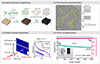 |
Figure 1 (a) Schematic illustration of rosin-driven pore engineering. (b) High-resolution transmission electron microscopy image of Pine HC. Scale bars = 5 nm. On the right side are the structures resulting from refinements against crystal length (La), thickness (Lc) and d002 of the HC. (c) Na storage mechanism probed via in situ SAXS, correlating scattering evolution with the low-voltage plateau region (<0.1 V) during desodiation. (d) Cycling performance of 4.5-Ah laminated NFM111||Pine HC pouch cell at 0.5 C within 1.5–4.2 V. |
The results showed that low-voltage plateau capacity was governed by the effective pore volume, defined as the product of closed-pore volume and Na-cluster filling fraction, not simply by the total number or volume of closed pores. Importantly, defects promoted performance only when coupled with optimally sized closed pores (~2 nm), whereas oversized pores failed to stabilize Na clusters, thereby diminishing plateau utilization. As a consequence, effective pore volume as a determined descriptor links pore architecture to storage behavior. High reversible capacities at various rates (e.g., 322.6 mAh g−1 at 50 mA g−1 and 224.9 mAh g−1 at 150 mA g−1) confirmed the excellent cycling stability of the Pine HC anode, retaining 91.5% capacity over 400 cycles at 100 mA g−1. At the device level, a 4.5-Ah pouch cell retained 80.8% of its capacity after 500 cycles and achieved an energy density of ~202 Wh kg−1 (Figure 1d). Additionally, the anode exhibited broad cathode compatibility, delivering energy density of more than 200 Wh kg−1 with a variety of cathodes, and maintaining a capacity retention of 77.5% at −10 °C. Cost analysis showed that, with a pilot-scale production cost estimated at only US $3.53 kg−1, the purposed strategy was economically viable toward high-energy-density Na-ion batteries.
A conceptual innovation was attained in the mechanistic understanding and rational design of HC anodes for Na-ion batteries. Through quantitative operando analysis, the authors validated that only closed pores within an ideal size (~2 nm) function as a thermodynamically viable reservoir for Na, facilitating the stabilization of quasi-metallic clusters during the low-voltage plateau phase. Increasing the fraction of electrochemically active pore volume by precise regulation of closed-pore dimensions, thereby directly elevating plateau capacity, boosting Na utilization, and mitigating the average operating voltage. This work showed that mechanism-guided pore engineering can synergistically attain high energy density and long-term cycling stability by bridging fundamental mechanisms with Ah-scale pouch-cell validation. The results integrate fundamental insight with practical battery engineering, establishing a foundational blueprint for the rational design of low-cost and high-energy-density Na-ion batteries.
Funding
This work was supported by the National Natural Science Foundation of China (22575145), the Scientific Research Innovation Capability Support Project for Young Faculty (SRICSPYF-ZY2025049), the Fundamental Research Funds for the Central Universities (25X010202131), the Autonomous Project of State Key Laboratory of Synergistic Chem-Bio Synthesis (sklscbs202557), and the LUI Che Woo Talent Development Fund (LCW-ZIAS-2026B05).
Conflict of interest
The authors declare no conflict of interest.
References
- Li Y, Vasileiadis A, Zhou Q, et al. Origin of fast charging in hard carbon anodes. Nat Energy 2024; 9: 134-142. [Article] [Google Scholar]
- Tang Y, Zhang Q, Zuo W, et al. Sustainable layered cathode with suppressed phase transition for long-life sodium-ion batteries. Nat Sustain 2024; 7: 348-359. [Article] [Google Scholar]
- Ding F, Ji P, Han Z, et al. Tailoring planar strain for robust structural stability in high-entropy layered sodium oxide cathode materials. Nat Energy 2024; 9: 1529-1539. [Article] [Google Scholar]
- Mariyappan S, Desai P, Morcrette M, et al. From lab to market with sustainable sodium-ion batteries. Nat Sustain 2025; 10.1038/s41893-025-01701-x [Google Scholar]
- Wang X, Zhang Q, Zhao C, et al. Achieving a high-performance sodium-ion pouch cell by regulating intergrowth structures in a layered oxide cathode with anionic redox. Nat Energy 2024; 9: 184-196. [Article] [Google Scholar]
- Lu Z, Yang H, Guo Y, et al. Consummating ion desolvation in hard carbon anodes for reversible sodium storage. Nat Commun 2024; 15: 3497. [Article] [Google Scholar]
- Chen Z, Shen J, Deng W, et al. Achieving over 200 Wh kg−1 sodium-ion pouch cell by quantitative engineering of hard carbon pores. Natl Sci Rev 2026; 13: nwaf566. [Article] [Google Scholar]
© The Author(s) 2026. Published by Science Press and EDP Sciences.
 This is an Open Access article distributed under the terms of the Creative Commons Attribution License (https://creativecommons.org/licenses/by/4.0), which permits unrestricted use, distribution, and reproduction in any medium, provided the original work is properly cited.
All Figures
|
Figure 1 (a) Schematic illustration of rosin-driven pore engineering. (b) High-resolution transmission electron microscopy image of Pine HC. Scale bars = 5 nm. On the right side are the structures resulting from refinements against crystal length (La), thickness (Lc) and d002 of the HC. (c) Na storage mechanism probed via in situ SAXS, correlating scattering evolution with the low-voltage plateau region (<0.1 V) during desodiation. (d) Cycling performance of 4.5-Ah laminated NFM111||Pine HC pouch cell at 0.5 C within 1.5–4.2 V. |
| In the text | |
Current usage metrics show cumulative count of Article Views (full-text article views including HTML views, PDF and ePub downloads, according to the available data) and Abstracts Views on Vision4Press platform.
Data correspond to usage on the plateform after 2015. The current usage metrics is available 48-96 hours after online publication and is updated daily on week days.
Initial download of the metrics may take a while.